
📑 On this page
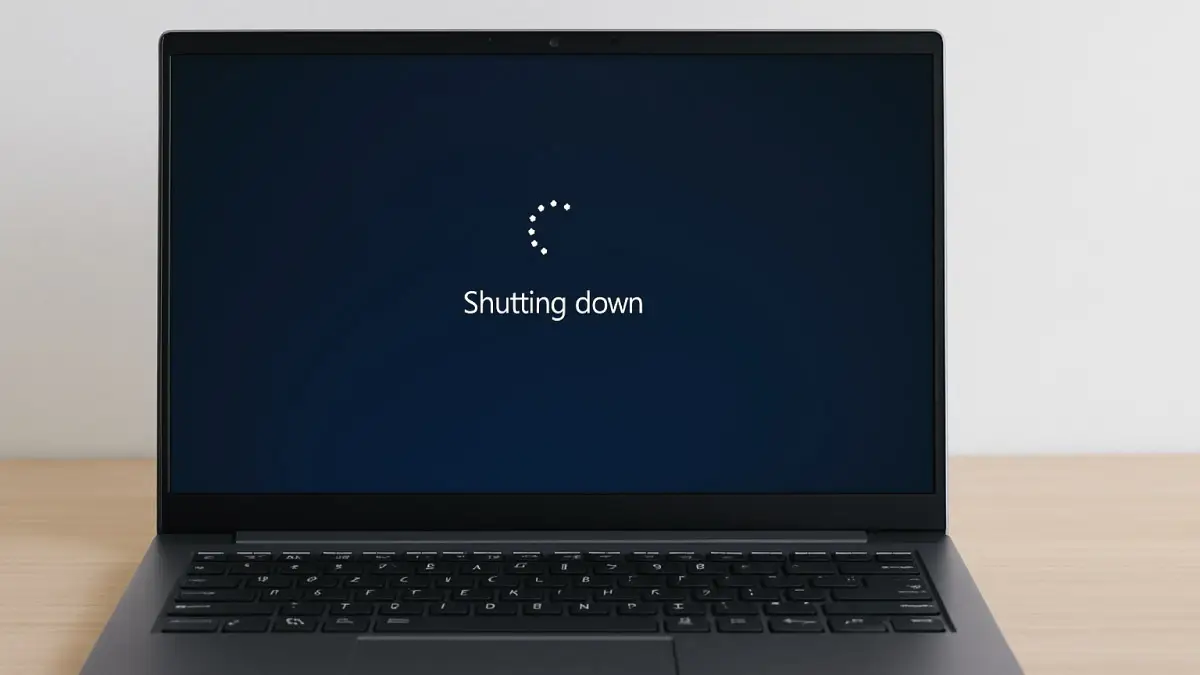
Experiencing an auto shutdown on your computer can be incredibly frustrating—whether your PC randomly shuts down, turns off unexpectedly mid-task, or your laptop shuts down by itself with no warning. Imagine working on an important project, gaming, or watching your favorite series, only for your device to suddenly power off without warning. This inconvenience isn't just annoying—it can also result in lost work, corrupted files, or hardware damage if ignored. Understanding why auto shutdown occurs and knowing how to fix it quickly can save you considerable stress and downtime.
At Esmond Service Centre, our technicians bring 16 years of industry experience to resolving tech issues for customers in Singapore, earning a reputation for reliability and expertise. We've encountered virtually every reason behind auto shutdown and have compiled straightforward solutions that anyone, regardless of their tech know-how, can follow. Let's dive into common auto shutdown issues and their practical fixes.
Which Kind of Auto Shutdown Do You Have?
Not every sudden shutdown has the same cause, and two free checks tell you which half of this guide you actually need — before you buy a part or open anything.
Check 1 — ask Windows what happened. Open Event Viewer, go to Windows Logs > System, and find Event ID 41 (Kernel-Power) at the time it shut down. Microsoft describes that event as “The system has rebooted without cleanly shutting down first… Such a shutdown might be caused by an interruption in the power supply or by a Stop error.” The event’s own data then separates those two: a BugcheckCode that is not zero means Windows crashed and left a blue-screen code behind, which is a software or driver fault. A BugcheckCode of 0 with PowerButtonTimestamp also 0 means the machine simply lost power — heat, battery or power supply.
Check 2 — does it die hot or cold? Note what the machine was doing. Heat-related shutdowns cluster under load — a game, a video call, a long export — and usually after the fans have been loud for a while. A failing battery or power supply cuts out at any temperature, often within minutes of a cold start and often at a battery percentage well above zero. If yours dies from cold, skip the cleaning and go straight to the battery and power sections below.
Is Overheating Causing My Laptop to Auto Shutdown?
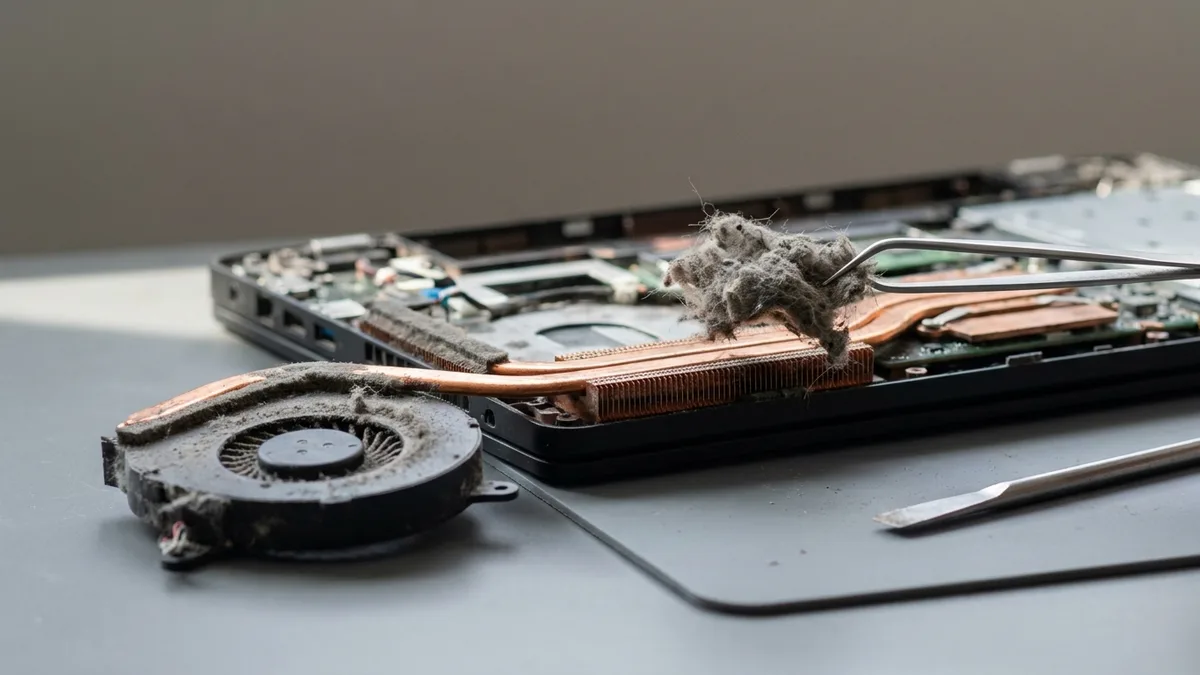
One of the primary causes of auto shutdown is overheating. Computers automatically power down to protect internal components from permanent damage when temperatures rise excessively.
Step-by-step solutions:
Clean Air Vents
Power off your computer, unplug all cables, and clean the air vents and fans with compressed air in short bursts. Hold the fan blades still with a cocktail stick while you do it — compressed air can spin a fan far past the speed it was built for and ruin the bearing — and keep the can upright so it cannot spray liquid propellant inside.Ensure Proper Ventilation
Avoid placing your computer on soft surfaces. Always use it on a hard, flat surface to enhance airflow.Replace Thermal Paste
Fresh paste between the CPU and heat sink restores heat transfer. On a desktop this is a reasonable job to do at home. On a laptop it means stripping the machine down to the board, it voids most warranties, and the internal battery has to come off the board first — so if the laptop is still under warranty, or you are not sure, this one belongs on a bench.Check Fans
Ensure all fans are working correctly; replace defective fans promptly.
Why this works: Improved cooling significantly reduces overheating risks, directly minimizing the chances of auto shutdown.
Software Conflicts and Malware
Corrupted software, malware, or incompatible applications can also trigger unexpected auto shutdowns.
Step-by-step solutions:
Run Antivirus Scans
Use reliable antivirus software to scan and remove any malware.Uninstall Problematic Software
Check recently installed software and remove anything suspicious or causing conflicts.Update Software and Drivers
Regularly update your operating system and all drivers to eliminate compatibility issues. But if the shutdowns began right after a Windows update or a new driver, do the reverse: open Windows Update history, uninstall that quality update or roll back the driver, and update the BIOS if your manufacturer lists a stability fix.
Why this works: Removing malware and updating software ensures stable system performance, thereby preventing auto shutdown incidents.
Faulty or Aging Hardware Components
Hardware components like RAM, power supply units (PSU), or batteries degrade over time, potentially causing auto shutdown.
Step-by-step solutions:
Identify Problematic Components
Use built-in diagnostics or third-party software to test hardware components.Replace Hardware
RAM and drives are user-serviceable on many machines. A laptop mainboard and a desktop power supply are not: disconnect the internal battery before you touch a laptop board, and never open a power supply — it holds mains voltage in its capacitors after it has been unplugged.Professional Assistance
Consult experts at Esmond Service Centre for accurate diagnostics and reliable laptop repair.
Why this works: Replacing aging hardware restores system stability, significantly reducing auto shutdown risks.
Incorrect System or Power Settings
Misconfigured power management settings in Windows or BIOS can inadvertently lead to auto shutdown.
Step-by-step solutions:
- Adjust Windows Power Settings: Navigate to Settings > System > Power & battery (or the legacy Control Panel > Power Options) and adjust settings to recommended defaults. See Microsoft's official power mode guide for the official steps.
- Reset BIOS Settings: Restart your computer and enter BIOS settings, then select the option to reset to default configurations. Write down your current boot mode and drive settings before you do: a reset returns them to defaults, and a machine set up to boot in a non-default mode, or from a RAID array, may not find its own drive afterwards.
Why this works: Correct system settings ensure your computer runs smoothly without unexpected interruptions.
Can a Failing Battery Cause Laptop Auto Shutdown?
For laptops, a deteriorating or miscalibrated battery often causes auto shutdown.
Step-by-step solutions:
Check Battery Health
Use built-in battery health checks or third-party tools.Battery Calibration
What recalibrating does, and what it does not do: it corrects the percentage the gauge reports. It does not restore a cell that can no longer deliver current, which is the fault behind most sudden shutdowns — so if your laptop is already cutting out, do not run it flat to recalibrate it. Apple’s own guidance is not to fully discharge a lithium battery: one left fully discharged “could fall into a deep discharge state, which renders it incapable of holding a charge.” Read the battery’s health and cycle count instead, and if the case or trackpad is bulging, stop and bring it in.Replace Battery
Consult professionals to replace degraded batteries safely.
Why this works: Healthy, calibrated batteries deliver consistent power, eliminating sudden shutdowns.
What This Guide Will Not Fix
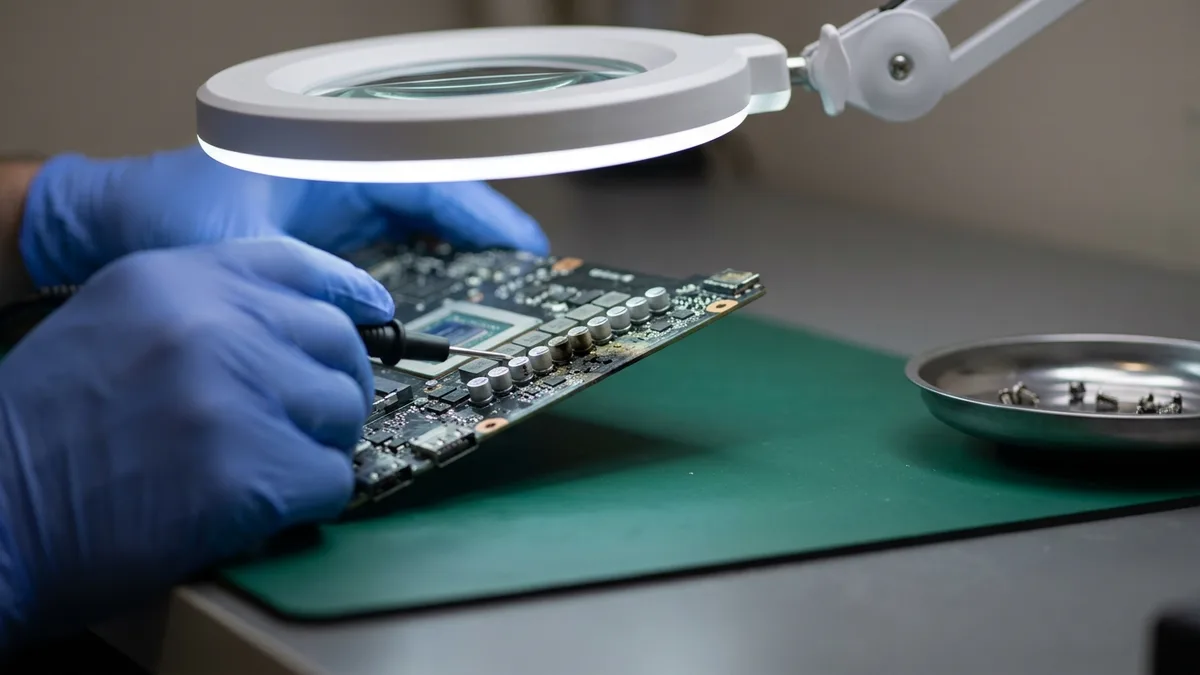
One pattern is worth naming plainly, because no amount of cleaning, no setting change and no new battery can fix it: a machine that cuts out instantly with no warning, does it from a cold start, does it on mains power with the battery removed, and keeps doing it after a clean, a fresh battery and a driver rollback. That points at the mainboard or the power circuitry, and it cannot be repaired with the steps on this page. If that is what you are seeing, stop swapping parts — each one you buy is money spent on the wrong fault — and have the board looked at.
Resolve Your Auto Shutdown Issues Permanently – Key Takeaways
Auto shutdown is commonly caused by overheating, software conflicts, failing hardware, incorrect system settings, or battery issues. Regularly maintaining your computer through proper cleaning, software updates, and hardware checks is essential. While simple adjustments resolve most cases, persistent auto shutdowns require expert diagnostics and intervention. Share your experiences or questions below—we're always happy to help you understand and resolve tech troubles effectively.
Auto Shutdown Issue Solved? Stay Connected for More Tips!
Enjoyed this comprehensive auto shutdown troubleshooting guide? Follow our Facebook page, LinkedIn profile or Instagram account for more expert insights and practical tips on cutting-edge technology. For persistent or complex auto shutdown problems, contact Esmond Service Centre for reliable, professional consultation and repairs.

Esmond Service Centre's experienced technicians can diagnose and fix it fast — free diagnostics, repairs from $65.