
📑 On this page
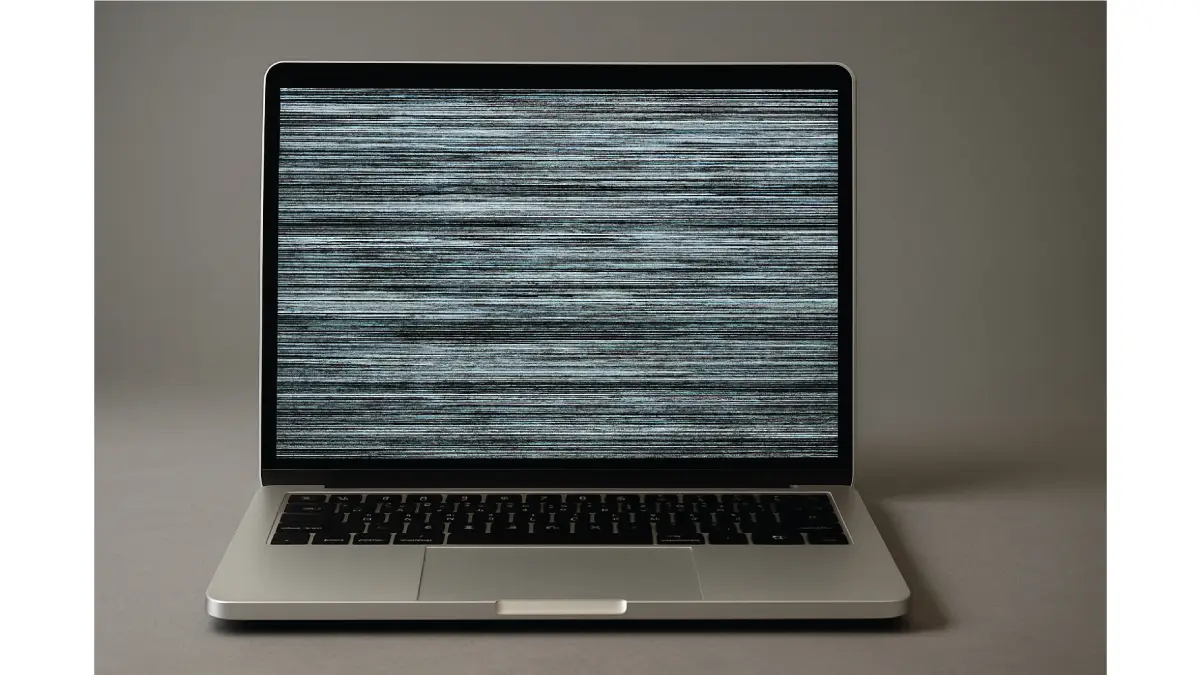
Laptop screen flickering is a common yet frustrating issue that significantly disrupts productivity and user experience. From distracting glitches and brightness fluctuations to the inability to clearly see your work, resolving this issue promptly is essential. Fortunately, understanding the reasons behind laptop screen flickering and knowing how to address them can quickly restore your device’s display performance.
At Esmond Service Centre, we've handled countless laptop repairs and are trusted experts in diagnosing and resolving display issues for customers across Singapore. Leveraging years of experience, we have compiled practical, step-by-step solutions that effectively address laptop screen flickering problems. This guide clearly explains common causes and provides easy-to-follow troubleshooting tips to help you confidently tackle screen flickering on your own or identify when professional assistance is required.
Quick Summary: How to Fix Laptop Screen Flickering
| Issue or Cause | Step-by-Step Solution & Explanation |
|---|---|
| Loose / Damaged Display Cable Connections | Shut down and open laptop, securely reconnect or replace display cable. This restores stable motherboard-to-screen signal, fixing flicker. |
| Outdated / Incompatible Graphics Drivers | Update graphics drivers via Device Manager or manufacturer's website. Updated drivers remove software glitches causing flickering. |
| Faulty / Aging Hardware Components | Connect external monitor to diagnose; seek professional repair if necessary. Identifies and resolves underlying hardware faults. |
| Software Conflicts / Settings Issues | Adjust screen refresh rate, uninstall conflicting software, and scan for malware. Eliminates software-based causes for stable display. |
| When to Seek Professional Help | If flickering persists, physical damage occurs, or technical confidence lacks, contact professionals like Esmond Service Centre for expert repair. |
Two 30-Second Tests That Find the Cause First
Before you open the laptop or install anything, two quick tests tell you which half of this guide you actually need — and one of them can save you the price of a screen.
Test 1 — Does Task Manager flicker too?
Press Ctrl + Shift + Esc to open Task Manager and watch it for a few seconds. Microsoft's own troubleshooting guidance reads the result this way: if Task Manager flickers along with everything else on the screen, a display driver is the likely cause; if Task Manager stays steady while the rest of the screen flickers, an incompatible app is the likely cause.
One warning, because this test is widely repeated with its answer reversed. Several guides — including one published in Singapore — tell you that a flickering Task Manager means a hardware fault. Microsoft's documentation says the opposite, and the difference costs money: both outcomes of this test point at software. It splits a software problem in two. It does not rule hardware in or out. Test 2 and the external-monitor check further down do that.
If the answer points at the driver, reset it first with Windows key + Ctrl + Shift + B. The screen blanks for about a second and comes back. Nothing is uninstalled and no file is changed, so it costs you nothing to try before anything else on this page.
Test 2 — Does the flicker change with the lid angle?
Open and close the lid slowly through its full range and watch the screen. If the flickering starts, stops, worsens or shifts as the hinge moves, the fault is the display flex cable that runs through that hinge — not the panel, and not the driver. In Singapore's humidity that cable also corrodes, so this is a common finding on a laptop a few years old.
That distinction is worth knowing before anyone quotes you, because a flex cable is a much smaller job than a panel.
What none of this will fix. These tests, and every software step below, cannot fix a cracked panel, a failed backlight, or a graphics chip that has lost contact with the board. Those are physical faults: no driver update and no refresh-rate change repairs them. They need a laptop screen replacement or board-level repair, and the honest first step is a diagnostic that tells you which one you are actually facing.
Can a Loose or Damaged Display Cable Cause Laptop Screen Flickering?
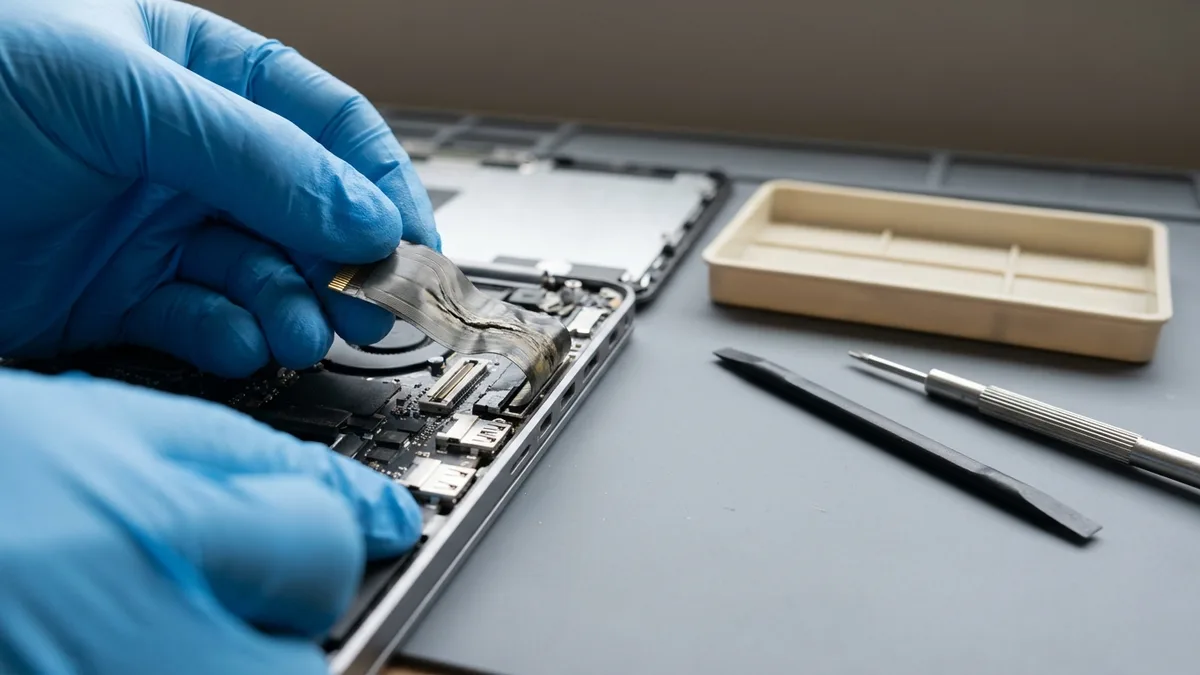
Loose or damaged cables connecting your laptop screen to the motherboard often cause flickering.
Stop before you start if the battery looks swollen. If the case, keyboard or trackpad is bulging, or the laptop no longer sits flat on a table, close it and stop there. Do not press it and do not puncture it — a swollen lithium cell is a fire risk and needs the right equipment to handle, not a screwdriver at the kitchen table.
Step-by-Step Solution:
- Shut down your laptop and disconnect all power sources.
- Disconnect the internal battery connector before you touch anything else on the board. The battery stays live inside the machine even with the charger unplugged, and a slipped tool across a powered board turns a screen job into a motherboard job.
- Open the laptop gently, checking the internal display cable connection.
- Ensure the cable is secure, firmly re-attaching if loose.
- Visually inspect for damage or wear; replace cables if necessary.
Why This Works:
Securing loose cables re-establishes a stable signal between the motherboard and the screen, immediately resolving flickering caused by poor connections.
Do Outdated Graphics Drivers Cause Laptop Screen Flickering?
Graphics drivers facilitate communication between hardware and software, affecting display stability.
Step-by-Step Solution:
- Right-click "Start," select "Device Manager," and expand "Display adapters."
- Right-click your GPU, select "Update driver."
- Choose "Search automatically for updated driver software."
- Restart your laptop after the update completes.
If problems persist:
- Visit your laptop manufacturer's website directly.
- Download and manually install the recommended graphics driver.
- Restart again and test your display stability.
Why This Works:
Updated drivers correct software incompatibilities and glitches that trigger flickering, restoring smooth display functionality.
Faulty or Aging Hardware Components
Aging display hardware like the GPU or inverter can lead to persistent flickering issues.
Step-by-Step Solution (Basic Diagnosis):
- Connect an external monitor via HDMI/VGA.
- If external monitor displays perfectly, laptop screen hardware is likely faulty.
- If both screens flicker, the GPU may be failing.
If faulty hardware is suspected:
- Visit a professional laptop repair center for precise diagnosis.
- Replace damaged components as advised by experts.
Why This Works:
Testing with an external monitor isolates hardware faults. Professional service centers have specialized tools and skills to accurately diagnose and replace faulty components, restoring screen functionality permanently.
Software Conflicts and Settings Issues
Conflicting software or incorrect display settings can trigger intermittent flickering.
Step 1:
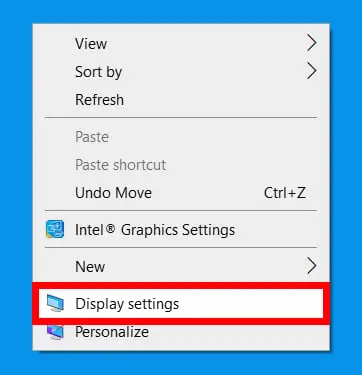
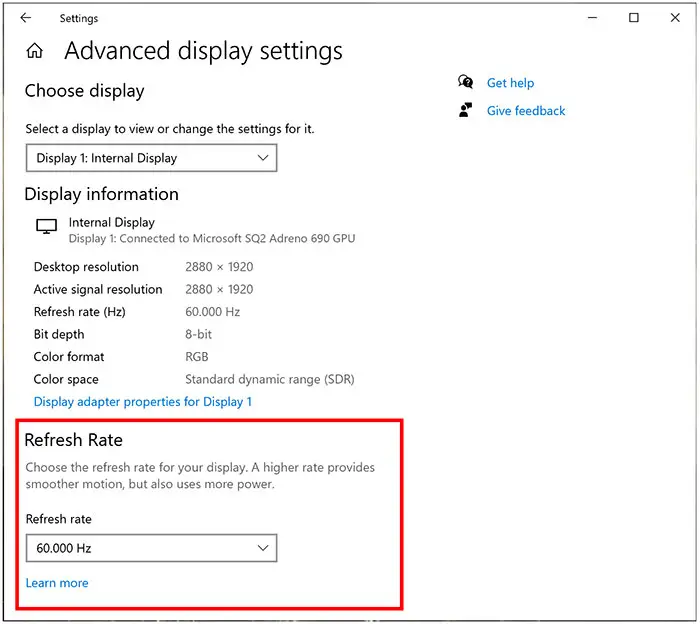
- Right-click your desktop and select "Display Settings."
Step 2:
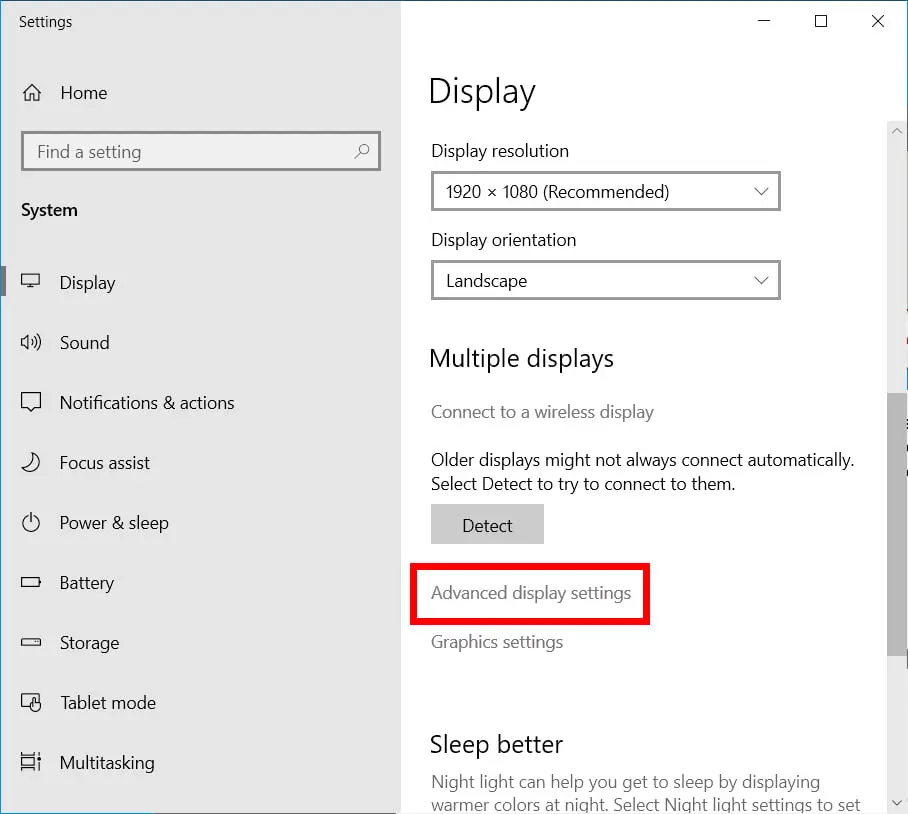
- Check screen refresh rate under "Advanced Display Settings," ensure it’s set appropriately (usually 60Hz for standard laptops).
Step 3:
- Ensure it’s set appropriately (usually 60Hz for standard laptops).
If none of the above works:
- Uninstall recently added programs to identify software conflicts.
- Perform a malware scan using a trusted antivirus program, removing threats if found.
Why This Works:
Correct refresh rates and resolving software conflicts eliminate common triggers for screen flickering, ensuring a stable display.
When to Seek Professional Help
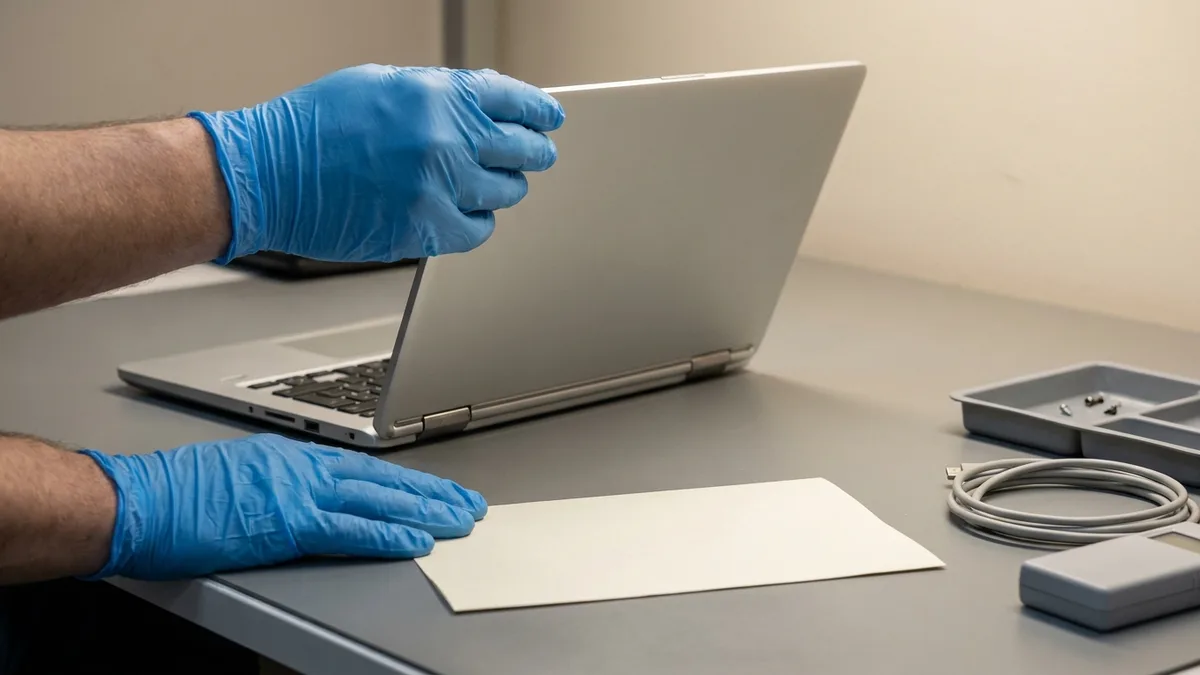
Seek professional help when the problem persists after DIY troubleshooting, you spot physical screen damage like cracks or pixel distortion, or you lack the confidence to safely open your device. Esmond Service Centre accurately pinpoints and resolves complex flickering issues, minimizing the risk of further damage.
Seek professional help immediately if:
- Screen flickering persists after thorough DIY troubleshooting.
- You identify physical screen damage, like cracks or severe pixel distortion.
- You lack technical confidence or experience to safely open or inspect your device.
Why This Works:
Professionals like Esmond Service Centre accurately pinpoint and safely resolve underlying complex issues, minimizing risk of further damage.
Reliable Solutions for Laptop Screen Flickering
Screen flickering, though common, can often be resolved quickly through careful troubleshooting. Addressing loose connections, updating drivers, and managing software conflicts are simple steps any user can take. However, when hardware faults or persistent issues arise, professional support becomes crucial.
Remember, understanding why flickering occurs is your first step towards effective resolution. Prioritize professional assistance from a reputable center like Esmond Service Centre for safe, reliable hardware diagnostics and repairs. If you are not sure which of the causes above is yours, the two tests at the top of this page take under a minute and will narrow it down before you spend anything.
Fix Your Laptop Screen Flickering Issue Today
Enjoyed this comprehensive troubleshooting article? Follow our Facebook page, LinkedIn profile or Instagram account for more expert insights and practical tips on cutting-edge technology. If you're experiencing persistent flickering, contact Esmond Service Centre today for a professional consultation and expert laptop repair services tailored specifically for you.

Esmond Service Centre's experienced technicians can diagnose and fix it fast — free diagnostics, repairs from $65.