

📑 On this page
Do you often end your workday with a sore back or find yourself losing focus by mid-afternoon? In today’s fast-paced Singapore work culture, these issues are all too common for desk-bound professionals. This comprehensive guide will show you how a standing desk can alleviate such problems, helping you stay healthy and productive.
Esmond Service Centre – a trusted local tech service provider – brings deep expertise in ergonomics and technology. Our founder, Esmond Liu, designs and owns Vival — he built the desk after years of long-hour neck and back strain of his own, which is why this guide is candid about what a desk does and does not fix. Esmond Service Centre is the exclusive distributor of Vival in Singapore, so the desk in this guide is one we sell, service and carry the 1 year (12 months) local warranty on. Read on to learn practical tips and step-by-step guidance from our experts, so you can work more comfortably, avoid common aches, and perform at your best each day.
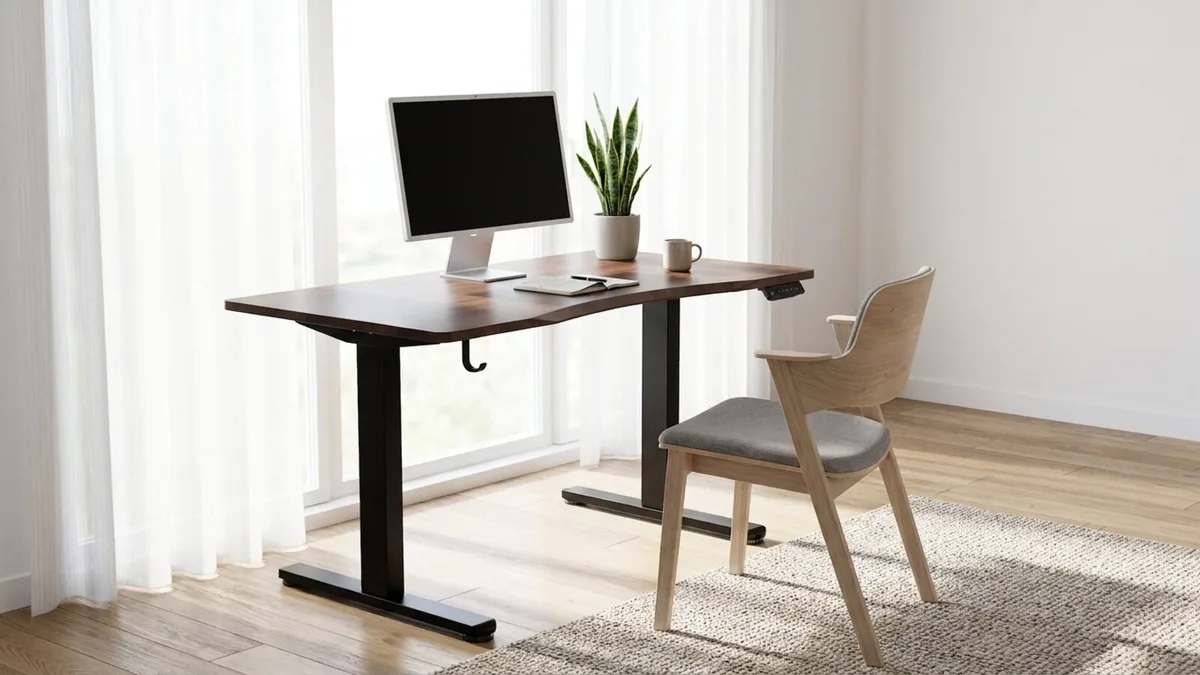
1. Chronic Back and Neck Pain from Sitting: How a Standing Desk Helps
Sitting in front of a computer for hours can wreak havoc on your posture. Many office workers develop chronic back and neck pain from slouching at a traditional desk. Prolonged sitting flattens the natural curve of your lower spine and places excessive strain on your neck and shoulders. Over time, this leads to muscle stiffness, pinched nerves, and persistent aches. It is the most common reason desk-bound workers in Singapore start looking at a height-adjustable desk.
A quality standing desk actively helps reverse this problem. By standing for part of the day, you engage your core and back muscles to support your spine instead of collapsing into your chair. It is worth being precise about what the research shows, because most articles are not. The best-known trial — the Take-a-Stand Project, run over seven weeks with 24 office workers in Minneapolis — found upper back and neck pain fell by 54%. In the same study, lower back pain did not change significantly. And when the desks were taken away, the improvements were largely gone within two weeks. So the honest claim is this: a sit-stand desk helps most with the neck and upper back, the low-back evidence is weaker, and the benefit lasts only as long as the habit does.
How to Set Up for Pain-Free Posture: To relieve back and neck strain, follow these ergonomic best practices with your standing desk. Following these steps turns the desk from a gadget into a workstation that actually holds you in a neutral position:
- Set the Desk Height Correctly: Adjust the desktop to roughly elbow height, so your forearms are parallel to the floor. Keep your monitor at eye level to maintain a neutral neck position. This alignment reduces slouching and prevents neck craning.
- Alternate Sitting and Standing: Don’t try to stand all day. Aim to stand for 30–60 minutes, then sit for a while, and repeat. Changing positions regularly prevents fatigue and keeps your postural muscles active without overstraining.
- Wear Supportive Footwear or Use a Mat: If you stand on hard surfaces in unsupportive shoes, your legs and back will feel it. Opt for comfortable shoes with good arch support, or use an anti-fatigue floor mat to cushion your feet. This reduces pressure on your knees and lower back during standing sessions.
By implementing these habits, you’ll train yourself to maintain proper posture throughout the day. Over time, you’ll experience far less stiffness and pain – making your workday much more comfortable. That daily comfort, rather than any single research figure, is what most people actually notice.
When to Stop Adjusting Your Desk and See a Professional
A standing desk changes how you sit and stand. It will not fix an existing back injury, and it is not a treatment. If your pain has a clear cause, or it is not behaving like ordinary desk stiffness, furniture is the wrong tool.
Stop rearranging your workstation and see a doctor or physiotherapist if pain wakes you at night, follows a fall or a lift, runs down a leg or arm, comes with numbness, pins and needles or weakness, or has simply not improved after two or three weeks of sensible alternating. Those are signs to have someone look at you, not at your desk.
That is also the honest limit of everything above. The research supports a desk that helps you sit less; it does not support a desk that treats an injury.
2. Sedentary Lifestyle Health Risks: How Standing Desks Improve Wellness
Beyond aches and pains, sitting all day can quietly damage your long-term health. A sedentary desk job is linked to issues like weight gain, poor metabolic health, and even a higher risk of heart disease. When you remain seated for too long, your body’s calorie-burning rate plummets and circulation slows. This contributes to excess fat, reduced muscle tone, and stiff joints over time.
Fortunately, using a standing desk to break up all that sitting can make a positive difference. Even a couple of hours a day on your feet breaks the block of uninterrupted sitting that causes the problem. Simply standing engages the large muscles in your legs and core, which helps pump blood and burn a few extra calories each hour. It might not seem like much, but those calories add up over the days and weeks, aiding in weight control. Standing periodically also tends to lower blood sugar spikes after meals and reduce other markers of a sedentary lifestyle’s harm. In essence, you’re helping your body stay in motion and counteracting the ill effects of a chair-bound routine. What a height-adjustable desk reliably changes is how much of your day you spend seated; the rest follows from that. This is the part of the case for a standing desk that the evidence supports most clearly.
How to Stay Healthy at Your Desk: Try these tips to incorporate more movement and wellness into your workday:
- Stand and Move Regularly: Use your standing desk as a reminder to get up often. For example, stand for 10–15 minutes every hour and take a quick walk or stretch. Frequent movement keeps your blood circulating and helps combat the stagnation of sitting.
- Stand After Meals: Instead of plopping down right after lunch, raise your desk and work standing for 20 minutes post-meal. This practice can help lower your blood sugar after eating and prevents the mid-afternoon energy crash.
- Use a Timer to Switch Positions: Set a timer or use a reminder app to prompt you to change position each hour. When it goes off, adjust your desk height (stand if you were sitting, or vice versa) and move around for a minute. Some desks, the Vival among them, hold memory presets so switching height is one button rather than a decision. These regular breaks in sitting time can significantly improve your overall metabolic health.
By integrating these habits, you’ll sit less and move more throughout the day. You’re actively protecting yourself from the serious health issues associated with a sedentary lifestyle. In the long run, your body will thank you for the extra activity! In short, the desk removes the excuse; the movement is still yours to do.
3. Afternoon Energy Slumps and Low Productivity: Standing Desks Keep You Focused
Nearly everyone has experienced the post-lunch afternoon slump – that wave of fatigue and brain fog that hits in the middle of the workday. It slows your circulation and puts your body into a low-energy state, giving your brain less oxygen. This often leaves you feeling drowsy and unfocused, and continuous sitting can even dampen your mood. It is one of the most common reasons people give for wanting a height-adjustable desk at all.
A standing desk offers a simple remedy to re-energize your workday. When you stand up and straighten your posture, your body becomes more engaged – your heart pumps a bit faster and you might sway or pace slightly, which keeps blood flowing. This delivers a fresh burst of oxygen to your brain, often resulting in improved alertness and mental clarity. Many people who switch report feeling less tired and more upbeat through the afternoon. On output, though, we will not claim more than is known: the 2018 Cochrane review of workplace sitting found no drop in productivity from standing more — and no proven gain either. A call-centre study is often quoted for a large productivity jump, but the university that ran it and the published abstract give different figures for the same result, so we do not print a number. Treat better focus as a likely bonus, not the reason to buy.
How to Stay Energized and Productive: Beat the afternoon slump by using these strategies:
- Stand During Active Tasks: Do your more collaborative or dynamic work while standing. For example, try standing during virtual meetings, phone calls, or brainstorming sessions. You may find you speak and think more energetically on your feet. (For tasks requiring intense focus or fine motor skills, you can sit as needed – the goal is to match your posture to the task.)
- Take a Post-Lunch Standing Break: When you feel that sleepy haze after lunch, switch to standing mode for a while. Pair it with a few desk stretches to get your blood moving. This can shake off the urge to doze and help you push through the mid-day slump.
- Stay Hydrated: Sip water regularly to stay hydrated, as proper hydration fights fatigue and helps you concentrate.
By staying attentive to your body and switching things up, you’ll find your productivity and focus improving naturally. Instead of hitting a wall every afternoon, alternating between sitting and standing keeps you alert and engaged. Most people find the routine matters more than the furniture: it is the switching that keeps you alert, not the standing alone.
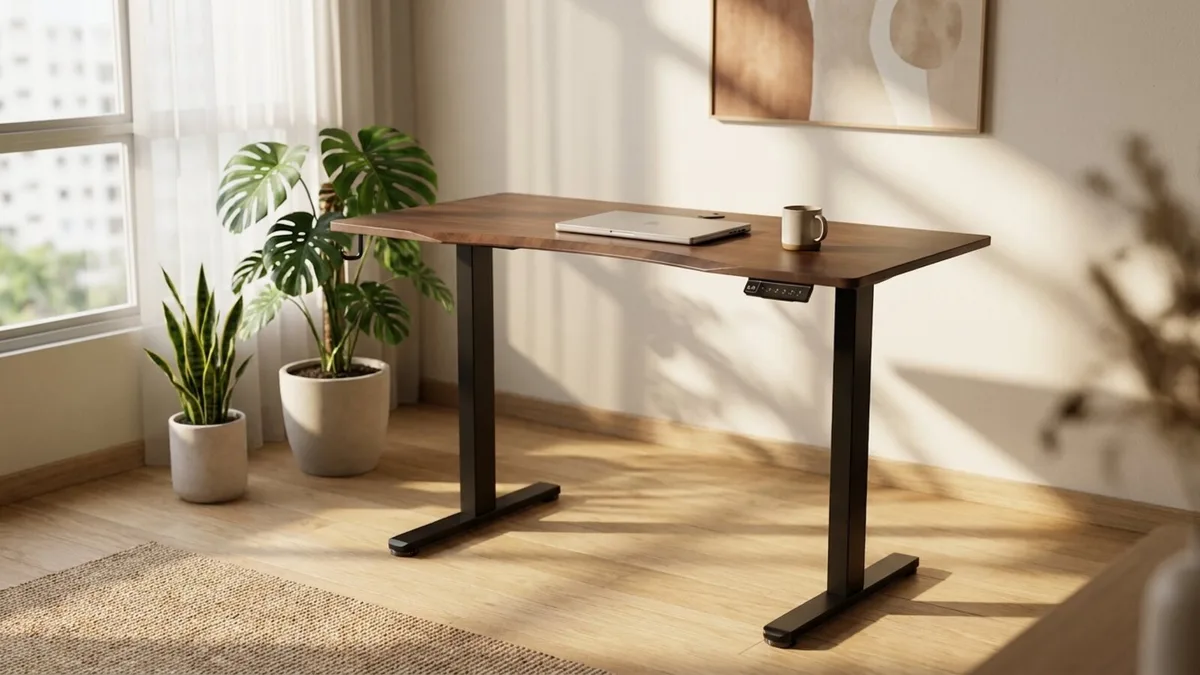
How Do You Choose the Right Standing Desk in Singapore?
To pick the best standing desk Singapore offers, consider the following factors when comparing models for your home or office:
- Available Space: Consider the size of your room or cubicle. In Singapore, where home offices are often a corner of a bedroom or a living room, you want a desk that fits without crowding the room. Measure your available space and check each desk’s dimensions (width and depth) to ensure a good fit.
- Adjustability and Features: Look for a desk with smooth height adjustment and useful features. An electric height-adjustable model is typically more convenient than a manual crank. Features like memory presets for height, cable management, and even smartphone app control (as offered by smart desks like Vival) can enhance your experience. Memory presets in particular turn a height change into one button, which is the difference between alternating daily and meaning to.
- Build Quality and Stability: A sturdy frame and quality materials are crucial. The desk should remain stable at full standing height and support your equipment securely. A dual-motor frame — one motor in each leg — stays steadier at full height than a single-motor column, which is why the Vival uses one. A wobble-free experience will keep you confident and focused while working.
- Warranty and Support: Not all desks are created equal, so it’s important to buy from a reputable seller. Check the warranty term and who actually honours it locally. The Vival carries 1 year (12 months) from purchase, handled here in Singapore by us rather than shipped back to a manufacturer. Having local support and service can be invaluable if you encounter any issues with your desk.
By weighing these factors, you can narrow down your choices and invest in a desk that truly suits your needs. The Vival Dual Motor Standing Desk was built against exactly these criteria: dual motors, memory presets, a 1 year (12 months) local warranty, S$289 nett, no GST, with free island-wide delivery. You can order it at projectvival.com, or come and stand at one at our Sin Ming branch before you decide.
Standing Desks for a Healthier Workday – Key Takeaways
A standing desk is not a cure and it is not a gimmick — it is a way to stop sitting in one position for eight hours. By switching between sitting and standing, you can say goodbye to daily backaches, reduce sedentary health risks, boost your energy, and create a workspace that truly fits your needs. The key is to apply the simple strategies we discussed: set up your desk ergonomically, alternate your positions regularly, and listen to your body’s cues. Over time, these habits can lead to noticeable improvements in how you feel at work – less pain, more focus, and a better mood. That is a modest promise, and it is one the evidence actually supports.
We hope this guide empowers you to craft a healthier, happier work routine. If you’ve been struggling with any of the issues above, consider giving a standing desk a try — our Vival standing desk page has the full specification, and you can order it at projectvival.com. You might be surprised by the difference it makes!
Ready to Transform Your Work or Study Space?
Enjoyed this comprehensive standing desk guide? Follow our Facebook page, LinkedIn profile or Instagram account for more expert insights and practical tips on cutting-edge technology. Feel free to contact Esmond Service Centre to arrange a viewing of the Vival Desk at our Sin Ming branch, or simply walk in. You can also WhatsApp us for enquiries and stock availability.

Esmond Service Centre's experienced technicians can diagnose and fix it fast — free diagnostics, repairs from $65.