

📑 On this page
Standing desks have become a popular tool in offices and home workspaces, but can they help with weight loss? As professionals spend long hours sitting, many are searching for ways to stay healthier and more active during the workday. This article offers practical guidance on using a standing desk to burn more calories and support your weight management goals. Esmond Service Centre is the exclusive distributor of the Vival standing desk range in Singapore, so the desk in this guide is one we sell, service and carry the 1 year (12 months) local warranty on. That also means we would rather be straight with you than oversell it: the honest answer is that a standing desk moves the numbers a little, and what you eat and how much you move matter far more. What follows is four things that actually help, with the arithmetic shown.
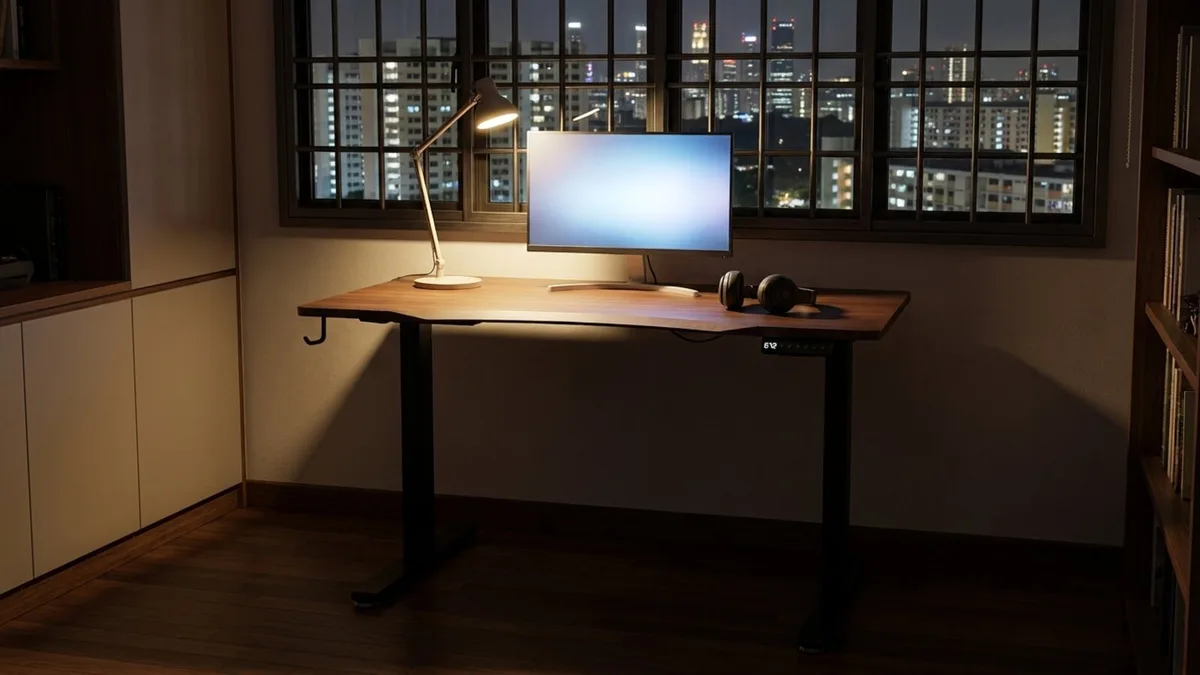
Can You Burn Extra Calories With a Standing Desk?
The issue: Sitting all day means your body burns very few calories, which can lead to gradual weight gain over the years. One big advantage of a standing desk is that it encourages you to stand, naturally increasing the calories you burn. Research has found that standing instead of sitting for several hours a day helps you expend more energy. The best figure available comes from a Mayo Clinic meta-analysis of 46 studies and 1,184 participants (Saeidifard and colleagues, European Journal of Preventive Cardiology, 2018): standing burns 0.15 calories a minute more than sitting. Replacing six hours of sitting with standing works out at about 54 extra calories — and that number is calculated for a 143-pound (65 kg) adult, so a heavier person burns more and a lighter one less. Mayo's own estimate is that it would equate to about 2.5 kg over a year if nothing else changes. ⚠️ The researchers add their own caution, and it belongs here: more research is still needed on whether replacing sitting with standing actually works for weight, and on what standing for long periods does over the long term.
Solution – How to stand and burn more: To get whatever benefit is there, build standing into your day gradually:
- Start small: Begin by standing for 15–30 minutes a couple of times during your workday. Use a timer or gentle reminder to prompt you to get up.
- Increase gradually: Each week, add a bit more standing time or an extra standing break. Work toward standing for a total of 2–4 hours spread throughout the day.
- Alternate sitting and standing: Don't try to stand all day immediately. Aim to alternate – for example, 30 minutes standing, then 30 minutes sitting. This balance helps you stay comfortable while increasing your activity level.
Why this helps: Every minute you're upright, your body engages more muscles and uses slightly more energy than it would sitting. Those extra calories are genuinely small — at 0.15 a minute, three hours of standing is about 27 extra calories, which is less than a plain biscuit — but they accumulate day by day. By doing this, you increase your overall daily calorie burn (often called Non-Exercise Activity Thermogenesis, or NEAT), which is the part of daily energy use most people can actually influence at a desk. Consistency is the whole game here — a big day of standing followed by a week of sitting does nothing.
Break Up Prolonged Sitting to Boost Your Metabolism
The issue: Reducing long stretches of sitting matters more than the total hours you spend upright. Prolonged sitting causes your metabolism to slow and your body to burn fewer calories. When you sit for many continuous hours, your body also processes sugars and fats less efficiently, leading to more fat storage.
Solution – Take frequent standing breaks: The good news is you can boost your metabolism by simply standing up more often through the day:
- Stand at regular intervals: Set a timer to remind you to stand up for 5–10 minutes every hour. Consistently stepping away from your chair – even for a short while – keeps your body active.
- Stand after meals: Try to stand or take a brief walk after lunch or a snack. Light activity after eating helps your blood sugar return to normal faster than if you slump in a chair, which means fewer calories being stored as fat.
- Use cues to move: Pair standing with routine tasks – for example, stand up whenever you take a phone call or read emails. These little habits ensure you naturally break up your sitting time without even thinking about it.
Why this helps: By frequently interrupting your sitting, you prevent your metabolism from going into “idle” mode. Standing periodically keeps your circulatory system and muscles engaged, signaling your body to keep burning energy. You'll avoid the afternoon slump in energy and burn more calories than if you remained seated. More importantly, staying on your feet regularly helps your body regulate blood sugar and fat levels, making it less likely that calories will be stored as fat. Every time you cut a long sitting session short, you are doing the part of this that the evidence supports best.
Add Simple Exercises to Your Standing Desk Routine
The issue: Even though standing helps, the calorie burn from standing alone is modest. To accelerate your results, you need to move more. Many people remain mostly stationary at their desks (even while standing) and miss out on additional weight loss benefits.
Solution – Include mini-workouts: To get more than the modest burn standing gives you, add short movement breaks:
- Take active breaks: Every hour or two, do a quick set of exercises or active movement. For example, try 10 squats, 20 jumping jacks, or marching in place for a minute. If you prefer something milder, even doing calf raises or a brisk 5-minute walk around the office will get your blood flowing and burn extra calories.
Why this helps: Short bursts of physical activity elevate your heart rate and engage more muscle groups, which burns significantly more calories than static standing. Two minutes of squats or high knees uses several times more energy than two minutes of standing still. We are not going to put a figure on that pairing, because we could not find a study that publishes one — but the direction is not in doubt, and it is the reason this tip exists at all. When done consistently, these mini-workouts substantially increase your daily energy expenditure. Staying active through the day also keeps you feeling better, which is what makes the routine stick.
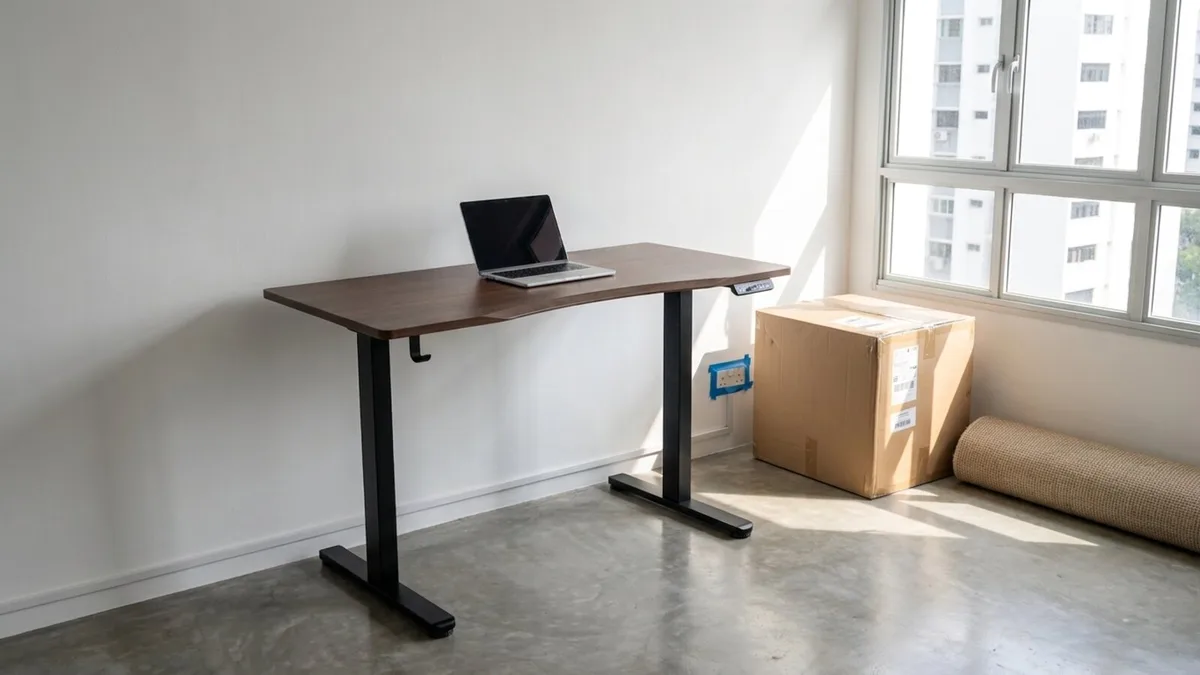
How Do You Build a Standing Desk Habit for Long-Term Weight Loss?
The issue: None of this works without consistency. Many people start using a standing desk enthusiastically but slip back into sitting all day after a short time, often because they did too much too soon and felt discomfort. If you don’t turn your standing routine into a sustainable habit, you won’t see meaningful weight loss results.
Solution – Make it sustainable: Commit to a routine and set yourself up for success:
- Ease into it: Increase your standing time bit by bit (like you would with a new workout routine) so your body can adjust without excessive soreness or fatigue.
- Set up ergonomics: Adjust your desk and screen height for comfort, and wear supportive shoes or use an anti-fatigue mat to reduce strain. A quality electric standing desk with memory presets (like the Vival series, exclusively available from Esmond Service Centre) makes height adjustments easy, so you are more likely to change position regularly rather than meaning to. The Vival Dual Motor Standing Desk is S$289 nett, no GST, with free island-wide delivery and a 1 year (12 months) local warranty; you can order it at projectvival.com or come and stand at one at our Sin Ming branch first.
Why this helps: The calorie-burning benefits of your standing desk add up over time – the more days you consistently stand, the more extra calories you burn toward weight loss. By easing in and prioritizing comfort, you avoid injuries or fatigue that could derail your progress. Building a habit means that using your standing desk becomes second nature, ensuring you consistently reap those daily calorie-burning advantages. Put simply, the desk only helps on the days you actually use it.
When to Stop Counting Calories at Your Desk and See a Doctor
Be clear about the size of this. A standing desk will not fix a weight problem on its own — 0.15 calories a minute is a rounding error next to what you eat, and no amount of standing will solve unexplained weight change.
See a doctor rather than rearranging your workstation if you are losing or gaining weight without trying, if standing makes you dizzy or breathless, if you have leg swelling, varicose veins or a circulatory condition, or if you are pregnant. Standing for long periods is not right for everyone, and the researchers behind the calorie figure say so themselves.
Used sensibly, the desk is a way to sit less. That is worth having. It is just not a weight-loss programme, and we would rather you bought one knowing that.
Key Takeaways for Standing Desk Weight Loss Success
Using a standing desk can indeed contribute to weight loss, but it works best when combined with healthy habits and consistency. Remember to stand regularly to burn those extra calories, break up long sitting sessions to keep your metabolism active, and include a bit of movement or exercise during the day for an added boost. Equally important, make sure your setup is comfortable so you can stick with your new routine for the long haul. Be realistic about the scale of it: the calorie difference is small, and the desk is a way to sit less rather than a way to lose weight on its own. What most people notice first is energy and comfort, not the scales.
We'd love to hear your thoughts and experiences. Have you tried a standing desk for a healthier workday?
Stay Connected with Expert Tips and Support
Enjoyed this guide? Follow our Facebook page, LinkedIn profile or Instagram account for more expert insights and practical tips on cutting-edge technology.

Esmond Service Centre's experienced technicians can diagnose and fix it fast — free diagnostics, repairs from $65.