
📑 On this page
Foldable smartphones are one of the hottest trends in mobile technology, and rumors are swirling about a foldable Apple phone — often called the foldable iPhone or “iPhone Fold” — on the horizon. Tech enthusiasts and Apple fans alike are eager to know what Apple’s take on a foldable device will look like, and more importantly, what it means for them. This comprehensive article dives into the most credible leaks and design speculations about Apple’s foldable phone, ensuring you get an accurate picture of what to expect.
Esmond Service Centre (ESC) is a leading IT repair and tech service provider in Singapore, recognized for delivering professional hardware and software solutions across a wide range of devices. As a senior technician at ESC, I’ve worked with various foldable phones from other brands, giving me unique insight into the challenges and innovations that a foldable phone entails. Our goal is to leverage that expertise to help you understand how Apple’s foldable phone could revolutionize your mobile experience, and why it’s worth keeping on your radar.
Rumors and Leaks: The Buzz Around the Foldable Apple Phone
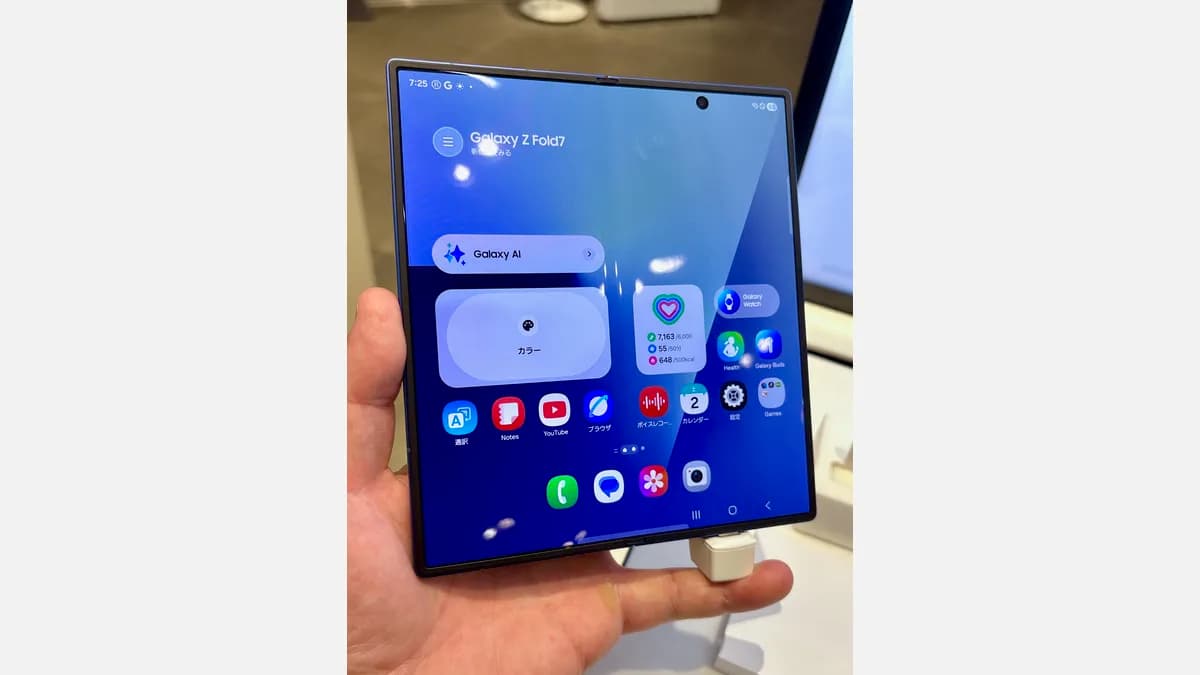
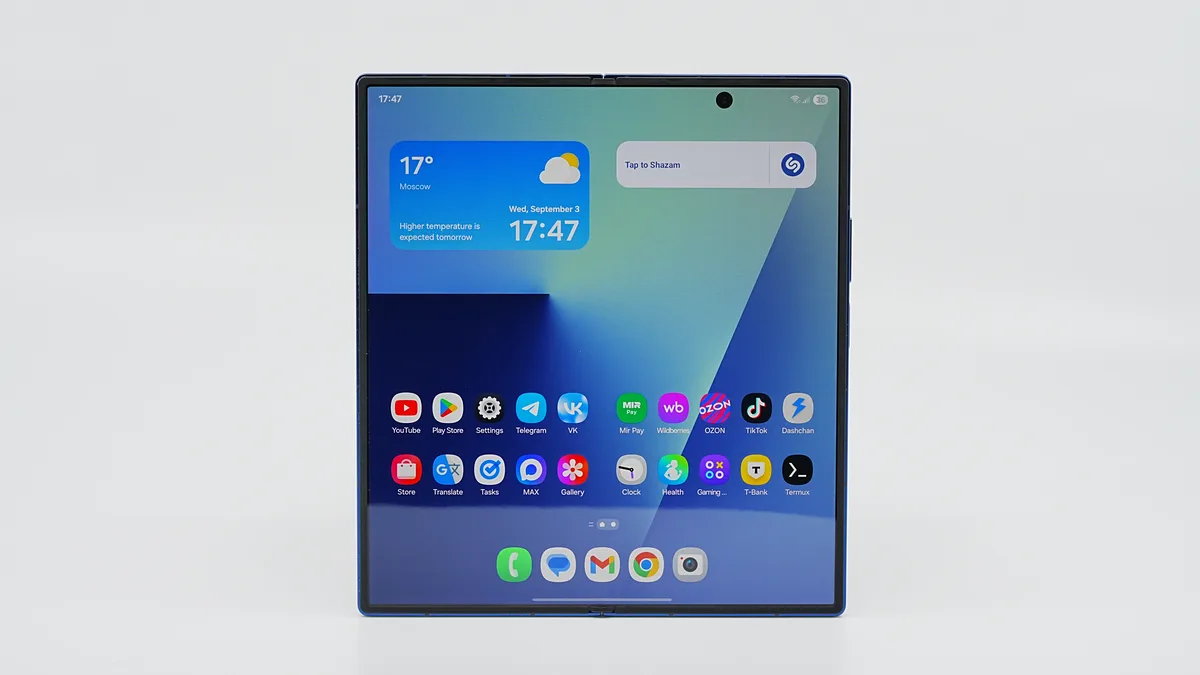
Apple has remained tight-lipped, but industry leaks have painted a surprisingly detailed picture of its first foldable phone. According to renowned analysts and leakers, Apple is developing a book-style foldable Apple phone that opens vertically like a notebook rather than a flip phone. When closed, this device should function as a normal iPhone with a roughly 5.5-inch external touchscreen; when opened, it could offer a tablet-like 7.5–8 inch display, essentially giving you an iPad mini that fits in your pocket. This significant screen real estate means the device might be perfect for multitasking, watching videos, or running iPad-style apps.
Other leaks hint at a robust camera setup and cutting-edge internal hardware. Reports suggest the foldable phone will carry four cameras in total: two on the back, one front-facing on the outer screen, and one inside for video calls when the device is unfolded. Apple’s recent patent filings and insider newsletters also indicate the device will use Touch ID fingerprint authentication built into a side power button instead of Face ID. The rationale is simple – a foldable phone needs to be extremely slim, and Apple’s 3D Face ID sensors wouldn’t fit in a device expected to measure under 10 mm thick when folded. By using Touch ID, Apple saves precious internal space and avoids making the foldable phone bulky.
Here are the key rumors and leaks so far:
- Launch Timeline – Analysts including Ming-Chi Kuo and Bloomberg's Mark Gurman, collected in MacRumors' iPhone Fold roundup, expect the foldable Apple phone to be announced at a September 2026 event alongside the iPhone 18 Pro models. ⚠️ Announced is not the same as on sale: Kuo expects Apple to repeat its iPhone X pattern and ship in October, and Barclays' Tim Long has argued for December. As of 24 August 2026 Apple has not confirmed an event date at all — the 9 September date circulating is a prediction from Apple's own four-year habit of announcing exactly two weeks ahead.
- Display and Form Factor – The two most-cited sources disagree slightly and both are given here rather than averaged into a fake precision: Ming-Chi Kuo and TrendForce describe a 7.8-inch inner display with a 5.5-inch outer screen, while The Information reports 7.7 and 5.3 inches. Either way the outer screen is a narrow strip roughly the width of a normal iPhone, not the ~6 inches once rumoured. Samsung Display is reported to supply the folding panel in an ultra-thin glass meant to keep the crease shallow — leaked figures put it under 0.15 mm deep — because Apple is said to have refused the visible fold line other brands ship.
- Top-Tier Hardware – This is not a stripped-down experiment. Reporting points to Apple's A20 (or an A20 Pro variant) on TSMC's 2nm process, the same generation as the iPhone 18 Pro, with 12GB of RAM to drive two displays and Apple's own 5G modem. Leaked battery figures run from about 5,000 mAh to 5,800 mAh depending on the leaker — which would make it the largest battery ever fitted to an iPhone — and early reports suggest limited colours and a titanium-and-aluminium frame.
- Price Range – Expect to pay a premium, and expect the estimates to keep moving. Chinese retail pricing leaked to Weibo converts to about US$1,999 for the 256GB model, rising to roughly US$2,399 at 1TB; Fubon's Arthur Liao has said "as much as $2,399"; Ming-Chi Kuo's older band was US$2,000–US$2,500; and IDC has modelled an average nearer US$2,500 with a ceiling of US$3,000. ⛔ Nobody has seen a price list. Treat the US$2,000 figure as the floor of a range, not a number Apple has quoted.
Each of these leaks comes from credible industry sources, which means they carry weight. By focusing on confirmed details from veteran analysts, we avoid wild speculation and give you a realistic sense of what Apple’s foldable phone might offer. Now, let’s explore how Apple plans to solve the engineering challenges that come with a foldable design.
What Design Challenges Does the Foldable Apple Phone Solve?
Building a foldable phone is no small feat – even established players like Samsung faced issues with screen durability and hinge reliability in early models. Apple’s strategy with the foldable Apple phone is to address these challenges head-on with innovative design solutions. Here’s how Apple is likely tackling the main pain points of foldable devices:
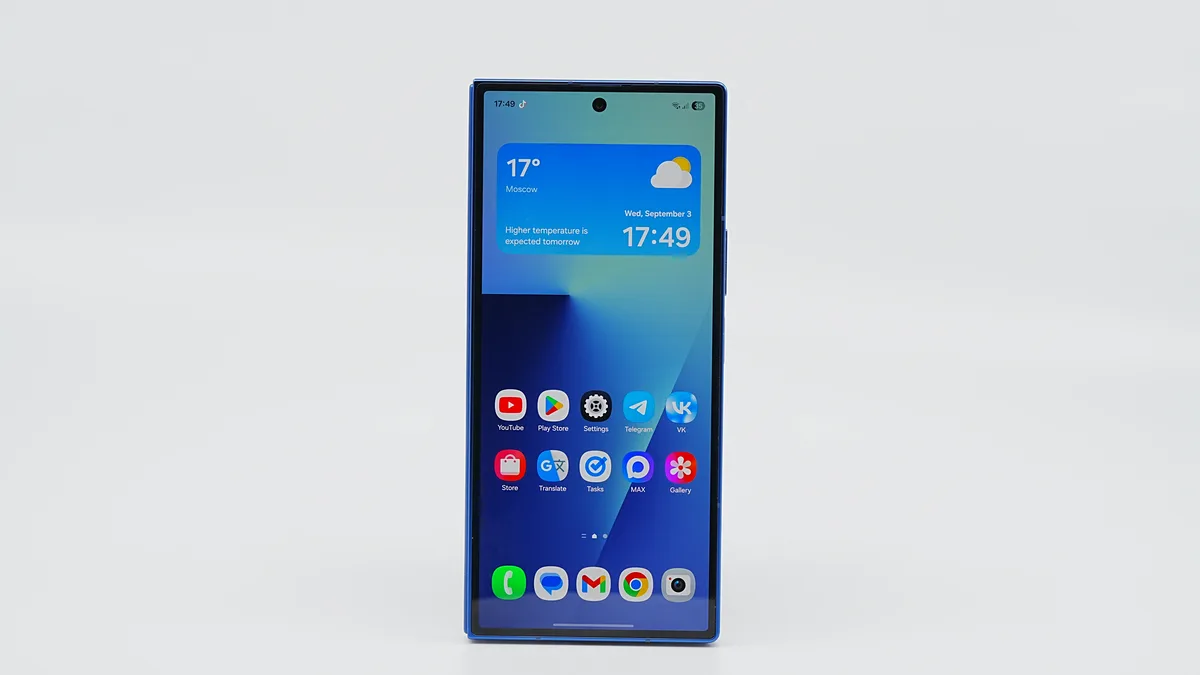
- Durable Foldable Display: Apple is reportedly using a next-generation ultra-thin glass (UTG) for the foldable Apple phone’s inner screen, supplied by Samsung. This UTG is tougher than the plastic layers used in first-gen foldables and can bend thousands of times without significant creasing. By demanding a practically invisible crease and investing in superior glass technology, Apple ensures the display looks seamless when opened – a huge boon for user experience.
- Reinforced Hinge Mechanism: A robust hinge is vital for any foldable. Apple has filed patents for an elaborate hinge design featuring geared supports and possibly even retractable flaps that fold in to support the screen. In theory, these movable parts would eliminate any gap when the phone is open and reduce stress on the bending area of the display. Additionally, leaks suggest the hinge frame will use premium materials like titanium and aluminum for extra strength, with the hinge itself rumored to be a 3D-printed titanium design. This heavy-duty hinge construction should prevent wobble and extend the device’s lifespan, so your foldable Apple phone won’t feel flimsy.
- Slim Profile without Compromising Strength: Apple wants the phone as sleek as possible when closed, and here too the leakers disagree — Jon Prosser puts it at roughly 4.5 mm open and 9.5 mm folded, while YouTuber Vadim Yuryev has claimed 11 mm folded. To hit any of those numbers Apple is making hard trade-offs: Face ID's sensor array is dropped in favour of a slim side-mounted Touch ID button, and the camera module is kept to two rear lenses. Every component, from the battery to the cameras, is being engineered for thinness.
All these design choices point to a clear goal: make Apple’s foldable phone durable and refined from day one. Apple delayed entering the foldable market on purpose, taking extra time to avoid the pitfalls others faced. By using stronger materials and innovative engineering (like the crease-hiding hinge), the foldable Apple phone is expected to feel solid and premium, not like a delicate prototype. In short, Apple’s solutions work because they directly tackle the known weaknesses of foldable devices – ensuring that the end product is both cutting-edge and reliable for everyday use.
Hardware Innovations in Apple’s Foldable Phone
Beyond the folding screen and hinge, the foldable Apple phone will incorporate hardware innovations to deliver a no-compromise experience. Apple is essentially merging an iPhone and an iPad into one device, so it’s equipping the foldable with the best possible components:
- Powerful Cameras — with one real omission: the rear is reported to carry two 48MP lenses, a wide and an ultra-wide, and no telephoto. There is no space for a periscope in a body this thin, so if you shoot at distance — a child across a school hall, a stage, wildlife — an iPhone Pro is still the better camera and this is the trade you are making. For selfies and calls the device is reported to carry two 18MP front cameras, one above the outer screen and one inside, so it works folded or open. Four cameras in total, and the missing one is the zoom.
- Touch ID and Security: As mentioned, the foldable Apple phone will use Touch ID on the side instead of Face ID. Apple’s side-mounted Touch ID (similar to that on the iPad Air) is fast and reliable. It not only keeps the phone slim but also offers a familiar, physical way to unlock the device securely. Apple’s decision works because Touch ID is a proven technology that sidesteps the need for a bulky Face ID camera notch on a flexible display. Users still get biometric security, just with their fingerprint instead of facial recognition – a practical trade-off that suits this form factor.
- Apple Silicon Performance: expect the A20 or A20 Pro on TSMC's 2nm process, reported as roughly 15% faster and 30% more efficient than the A19 — the same generation as the iPhone 18 Pro rather than a cut-down part. Driving a nearly 8-inch inner display and iPad-style multitasking needs that headroom, and the efficiency is what pays for it in battery life. Combined with iOS optimisations, the hardware should stay smooth whether you are gaming, working, or running two apps side by side on the open screen.
- Connectivity and Storage: Leaks indicate the foldable Apple phone will integrate Apple’s custom 5G modem (likely the upcoming C2 chip) for faster cellular connectivity. This ensures the device isn’t just a marvel in form, but also in function – you’ll get the fastest data speeds available. Additionally, we anticipate generous storage options (probably starting at 256 GB or more), since this premium device will target power users who need ample space for apps, media, and documents.
In essence, Apple’s folding phone isn’t skimping on specs. It combines the photography prowess of an iPhone, the processing power of an iPad, and the latest communication tech in one package. These hardware choices underscore Apple’s intent to make its foldable phone a flagship device, not just an experimental gadget. By doing so, Apple ensures early adopters get a product that justifies its premium price – one that works as a reliable daily driver with top-of-the-line capabilities, foldable or not.
Software and User Experience: iOS in a Foldable Format
A foldable Apple phone won’t just be about hardware – it will also introduce new software experiences. Apple is reportedly tailoring iOS (likely iOS 27 and beyond) to fully leverage the foldable form factor. This means the device’s software will seamlessly adapt between the folded and unfolded states, giving users the best of both worlds.
Adaptive iOS Interface: When folded, the phone’s outer mini-display will run a normal iPhone interface for one-handed use. You’ll be able to do all the basics – messaging, calls, notifications, and quick app interactions – on the go. Once you unfold the device, the interface will automatically expand into a more iPad-like layout. Think split-screen multitasking, where you can run two apps side by side or watch a video while browsing the web. Apple has already pushed developers toward adaptive app layouts, and a foldable screen finally gives them a reason to use that advice. Split-screen multitasking, dynamic app resizing, and fluid transitions between folded and unfolded modes are all expected, assuming Apple finalizes these features in time.
Multitasking and Productivity: Apple’s foldable is also expected to support features like Split View and Slide Over, familiar to iPad users, allowing multiple apps to run on-screen simultaneously. For example, you might have a document open on one half of the large display while taking notes or having a FaceTime call on the other. iOS will likely remember your layout when you switch states. If you open an app on the big screen and then fold the device, it could smartly hand off the content to the external screen or pause activities as needed. Mark Gurman reports that an upcoming iOS version will “prioritize” foldable-specific features, highlighting Apple’s commitment to a seamless user experience on this device.
Continuity and Ecosystem: We expect Apple to integrate the foldable phone into its broader ecosystem without a hitch. Features like Handoff might let you start a task on your foldable phone and continue on a Mac or iPad. Universal Control and other continuity tools could also extend to this device, recognizing it as both a phone and a small tablet. If any company can optimize software for a new hardware category, it’s Apple – they control both the device and the operating system, which means the foldable phone’s software will be finely tuned to its hardware capabilities.
From a user’s perspective, these software adaptations mean the foldable device will feel intuitive. There’s no steep learning curve – it’s the familiar iOS, just more flexible (literally and figuratively). And importantly, Apple will ensure that popular apps (think YouTube, Mail, creative suites, etc.) are ready to exploit the larger screen from day one. By doing so, the foldable’s novelty translates into real productivity and entertainment benefits, not just a wow factor.
In summary, Apple’s software strategy for its foldable phone is to make the user experience seamless and engaging. The device should transition from “phone mode” to “tablet mode” effortlessly, enhancing convenience. Why does this approach work? Because it leverages Apple’s strength in software optimization: users get a polished experience where the foldable nature of the phone genuinely adds functionality (more screen space when needed) without adding complexity. This is crucial for adoption – it ensures the foldable Apple phone isn’t just a tech demo, but a truly useful tool for everyday life.
Should You Wait for It, or Fix the iPhone You Have?
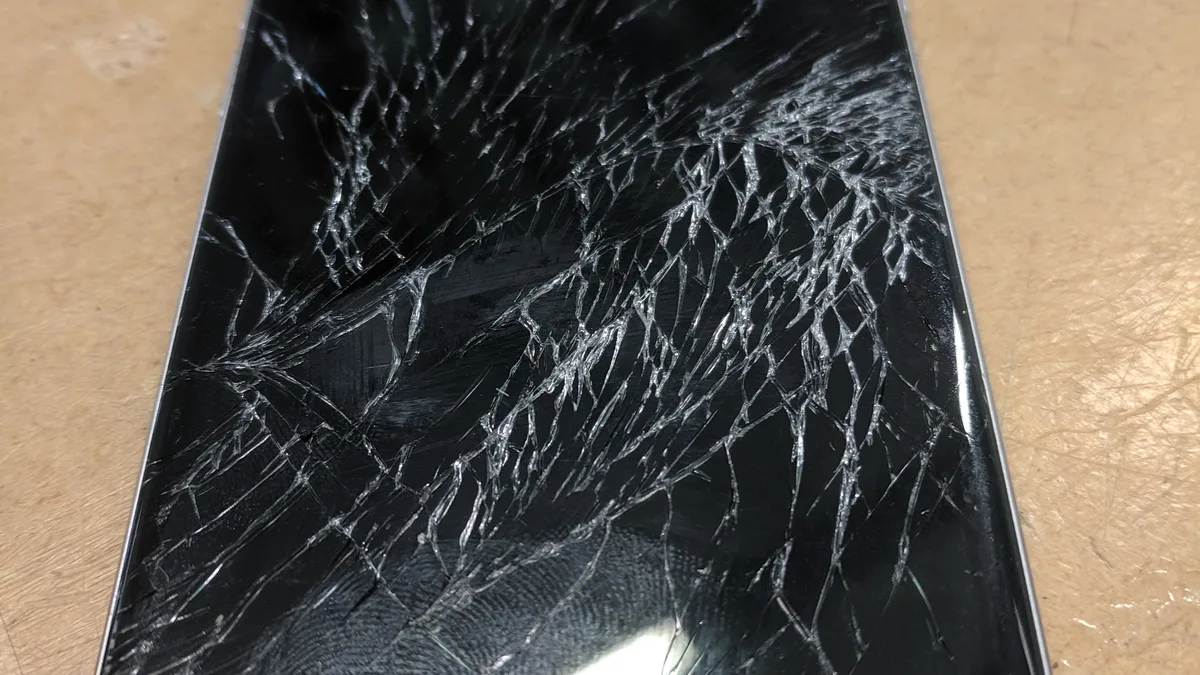
Most people reading this are not choosing between two foldables. They are holding an iPhone that has started to annoy them — a cracked screen, a battery that gives up by mid-afternoon — and wondering whether to nurse it along until Apple's folding phone arrives. Here is the honest arithmetic from a workshop that opens these phones every day.
What waiting solves, and what it does not. A foldable solves exactly one problem: screen size in a pocket. It will not fix anything that is wrong with the phone you own today, and on current reporting it does not solve your reach either — with a wide and an ultra-wide and no telephoto, it is a step down from an iPhone Pro for anything at distance. A cracked screen, a swollen or short-lived battery, a port that has stopped charging, a phone that has simply become slow: none of those are foldable problems. They are repairs, and they are cheaper than you think.
Stop before you buy. Do not sell or trade a working iPhone against a phone nobody outside Apple has held. As of 24 August 2026 Apple has not announced this device, has not confirmed a name, and has not even set an event date — every figure on this page is an analyst estimate or a supply-chain leak, and several of them have already moved once. The sensible order is: keep what you have working, wait until it is announced and independently reviewed, then decide with real numbers instead of leaked ones. If it is your current iPhone that is making you impatient, bring it in and find out what it would cost to put right — that is a decision you can make this week.
And if you already own a foldable of any brand, the stop line comes earlier than on an ordinary phone. Stop the moment the inner screen shows a line along the crease, a bright band, a dead strip, or any lifting at the fold, and bring it in before you keep folding it — every further cycle works the damage further across the panel, and that is permanent.
The honest cost of getting it wrong. On a folding phone the two most expensive parts are the two that move: the flexible inner panel and the hinge. A slab iPhone is a bounded job by comparison — Esmond Service Centre replaces a cracked screen from S$68 for an OEM-compatible Grade A panel in about 30 to 45 minutes, or from S$188 for a genuine Apple screen in 2 to 3 hours, with a 90-day warranty on parts and labour (prices before GST). A first-generation folding panel is not that job, and no shop in Singapore — ours included — can quote you a price or promise you a part for a phone that does not exist yet. Decide which of those two repairs you are willing to pay for before you spend two thousand US dollars on a screen with a moving part down the middle of it.
What we can price today. Free diagnosis, and we tell you if a repair is not worth doing: iPhone screen repair, iPhone battery replacement, board-level iPhone and iPad work, or everything else an iPhone can do wrong.
The Future of the Foldable Apple Phone: Key Takeaways
The foldable iPhone is moving from rumor to reality, blending Apple’s signature polish with futuristic tech. By 2026, we expect a device that unfolds into a mini tablet with a seamless 7.8-inch display, a sturdy hinge, and a slim form factor that sacrifices nothing in quality. From all indications, this is no longer a wild experiment – Apple has likely perfected the design with minimal screen creases, a robust build, and software that adapts flawlessly.
For Apple enthusiasts, this foldable device could redefine convenience and productivity by combining an iPhone and an iPad into one. It’s a bold innovation that carries a premium price, but it also promises to push the entire smartphone industry forward. What do you think about Apple’s leap into foldables? If you’re excited (or even skeptical), share your thoughts with us. We’d love to hear your opinions and any experiences with foldable phones as we all watch this space evolve together.
Stay Ahead with Expert Tech Insights
Enjoyed this comprehensive analysis? Follow our Facebook page, LinkedIn profile or Instagram account for more expert insights and practical tips on cutting-edge technology.

Esmond Service Centre's experienced technicians can diagnose and fix it fast — free diagnostics, repairs from $65.