

📑 On this page
If you distribute or import consumer electronics in Singapore — laptops, phones, tablets, wearables or small appliances — the hardest promise you make isn't the sale. It's what happens when a unit comes back faulty: who repairs it, with which parts, how fast, and whether the fix keeps the manufacturer's warranty intact. Picking an authorized repair service for appliance distributors is really a decision about your brand's reputation and your warranty liability, not just a line on a cost sheet.
Most "best repair shop" pages in Singapore are written for a homeowner with one broken laptop or fridge. None is written for the distributor who has to stand behind hundreds of units across several brands. This guide fills that gap: what "authorized" actually means, the Lemon Law duty behind your after-sales service, the warranty-void trap, and a plain checklist for vetting a partner — set out in English, 中文 and Bahasa Melayu.

What an authorized repair service actually means
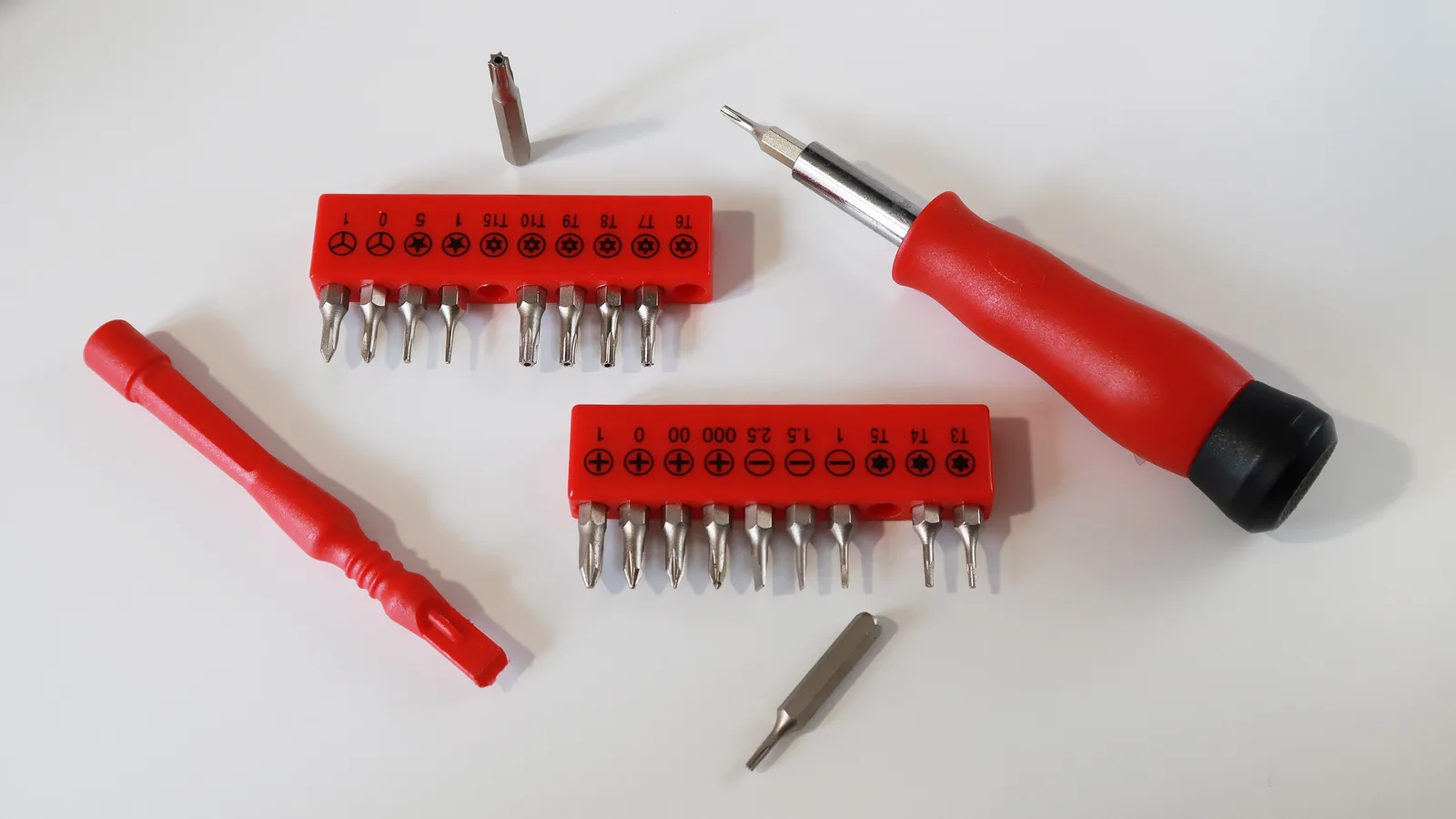
An authorised service provider isn't a marketing badge — it's a formal relationship. Apple's Authorized Service Provider programme is a clear model: these are independent companies "certified by" the manufacturer; Apple "provides retailers and repairers with tools, training and service manuals"; and every technician on those repairs "must be" manufacturer-certified. Strip away the brand name and the pattern holds for any maker — a signed agreement with a defined scope, manufacturer-supplied parts and tooling, trained-and-certified technicians, and a reporting line back to the brand.
- A formal agreement with the manufacturer — not a claim, but a signed authorisation with a defined scope of brands and models.
- Manufacturer-trained, certified technicians — people the brand has approved to open its products.
- Genuine parts and proper tooling, supplied or approved through the maker's own channel.
- A traceable reporting line back to the brand, so every repair is logged and auditable.
Why appliance distributors in Singapore need one
In Singapore, after-sales repair isn't just goodwill — it's partly a legal duty. Under the Lemon Law, in force since 2012 as Sections 13 to 18 of the Consumer Protection (Fair Trading) Act, CASE confirms consumers "have the right to request repair, replacement, reduction in price or rescission of contract for goods that do not conform to the contract", and the law covers everyday electronics. For a distributor or importer, that right lands on you and your retailers: when a unit you brought in fails, someone has to repair or replace it competently and quickly. A reliable repair partner is how you meet that obligation at scale, instead of scrambling case by case.
There's a second, quieter risk: the manufacturer's own warranty. Brands write warranties that require authorised service. Samsung Singapore's terms, for example, exclude from cover any "replacement of parts with parts not provided or approved by Samsung" or any "dismantling, opening, service or repair performed other than by Samsung authorised service centre" — the wording is on Samsung's warranty page. If the wrong hands touch an in-warranty unit, the cover can vanish, a later repair cannot undo that, and the distributor wears both the cost and the complaint. So before anyone opens a unit still under the maker's warranty, stop and check that they are authorised for that brand — the authorised-versus-independent choice below matters most for that stock.

Authorised vs independent: the honest distinction
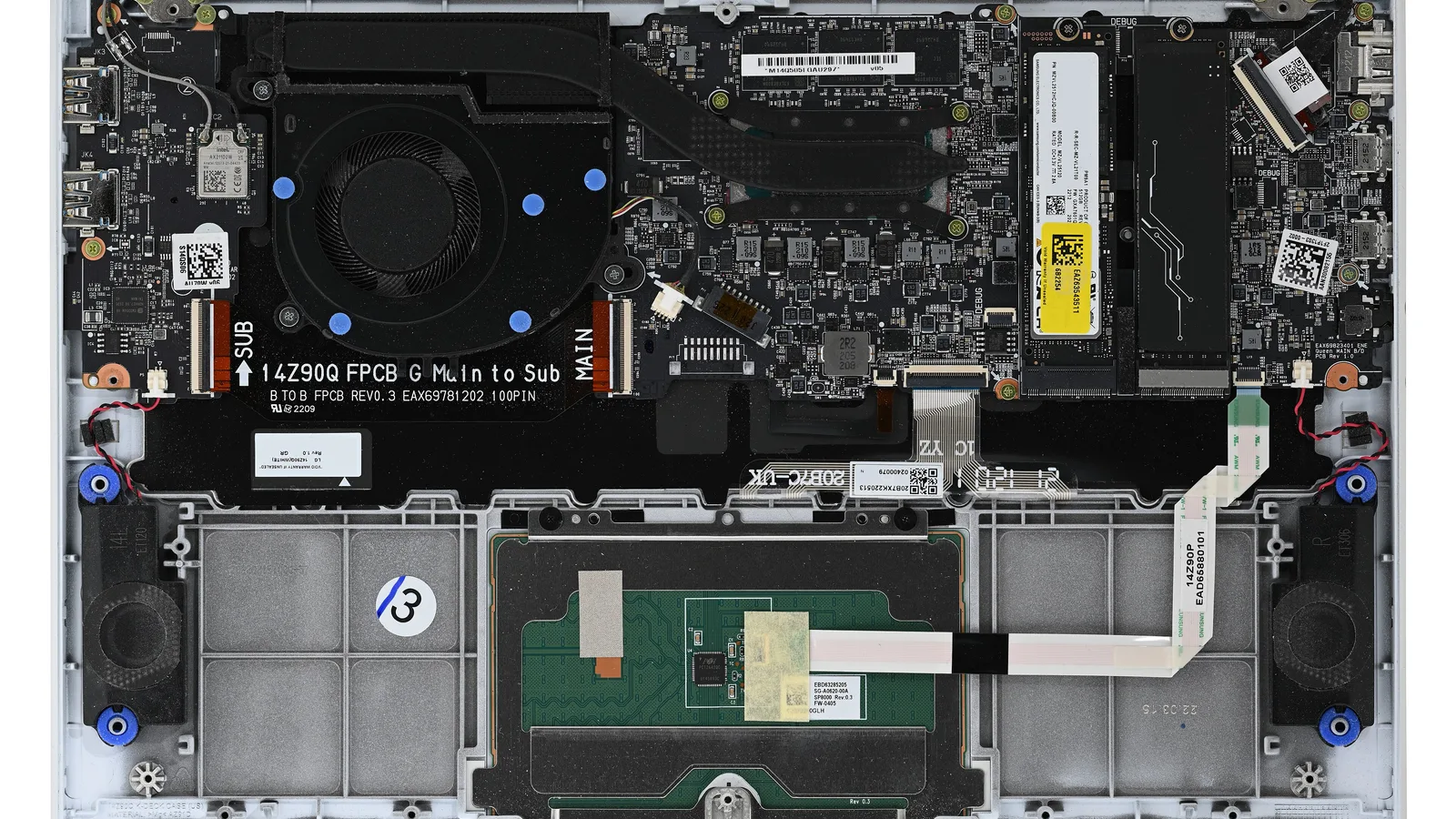
Not every brand you carry will have a local authorised programme, and not every repair needs one. The honest framing is simple: for a unit still under the maker's warranty, authorised service with genuine parts protects that warranty; for out-of-warranty or end-of-life stock, a competent independent multi-brand specialist is usually faster and far more cost-effective — provided it uses genuine or quality OEM-equivalent parts and gives you a written warranty. The table below lays out the trade-offs the way a distributor has to weigh them.
| Repair route | Parts & technicians | Effect on maker's warranty | Best for |
|---|---|---|---|
| Manufacturer in-house | Genuine, factory-trained | Preserved | In-warranty flagship units |
| Brand-authorised provider (ASP) | Genuine, manufacturer-certified | Preserved (authorised) | In-warranty & brand-critical repairs |
| Independent multi-brand specialist | Genuine or quality OEM-equivalent | Out-of-warranty; may affect maker's cover | Post-warranty fleets, mixed brands, cost control |
| Unvetted budget shop | Often unbranded parts | Voids warranty; data at risk | Not recommended for distributor stock |
What to vet before you appoint a repair partner
- Ask exactly what they are authorised for. "Authorised" is brand- and sometimes model-specific — get the scope in writing, and never assume one brand's authorisation covers another.
- Pin down the parts. Genuine, or quality OEM-equivalent? For stock still under warranty, genuine parts through an authorised channel protect that cover.
- Get the repair warranty in writing — the period, what it covers, and how claims are handled.
- Agree turnaround and a service level. Your retailers and end-customers judge you on repair speed; a free diagnostic and an upfront quote before work starts keep surprises out.
- Insist on traceability. Per-unit records and serial tracking let you answer a CASE complaint or a brand audit with evidence.
- Check data handling. Phones, laptops and wearables carry customer data — a partner should sign out of accounts, wipe responsibly and document it.
- Confirm they understand the Lemon Law. A partner who knows the CPFTA remedies helps you meet the duty, not just swap a part.

Esmond Service Centre's experienced technicians can diagnose and fix it fast — free diagnostics, repairs from $65.