
📑 On this page
In 2026, cybersecurity threats continue evolving at lightning speed, leaving many users unsure whether their devices are genuinely protected. With countless antivirus products promising ironclad security—often at a premium price—the question arises: Can a built-in solution like Windows Defender really protect your PC effectively and for free, for life?
The reassuring answer for most users is a resounding yes. Windows Defender, Microsoft's built-in antivirus solution for Windows 10 and Windows 11, has transformed from basic protection to a robust security suite. It provides comprehensive real-time defense against viruses, malware, phishing, and ransomware without hidden fees or pesky premium upgrade prompts. At Esmond Service Centre, our seasoned technicians have assisted thousands of customers, from home users to busy professionals. We've consistently seen how well Windows Defender protects everyday users who follow sensible browsing habits, saving them money and hassle.
This article explains what Windows Defender does well — it is lightweight, genuinely effective and free for as long as you run Windows — and the one situation where it is not the thing you need to fix.

Always-On Real-Time Protection
The primary concern users have is real-time defense: can a free solution genuinely protect against modern threats? Windows Defender offers comprehensive real-time scanning of downloads, emails, apps, and websites. It automatically quarantines or removes malware, spyware, ransomware, and even sophisticated trojans immediately upon detection.
To enable real-time protection:
- Go to Settings → Privacy & security → Windows Security (on Windows 10: Settings → Update & Security → Windows Security).
- Click Virus & threat protection.
- Ensure Real-time protection is toggled on.
Why it works:
Defender utilizes Microsoft's advanced cloud-based threat intelligence network. This network continuously updates virus definitions, recognizing and neutralizing emerging threats rapidly, making third-party real-time scanners unnecessary for typical users.
Zero Bloat, Maximum Efficiency
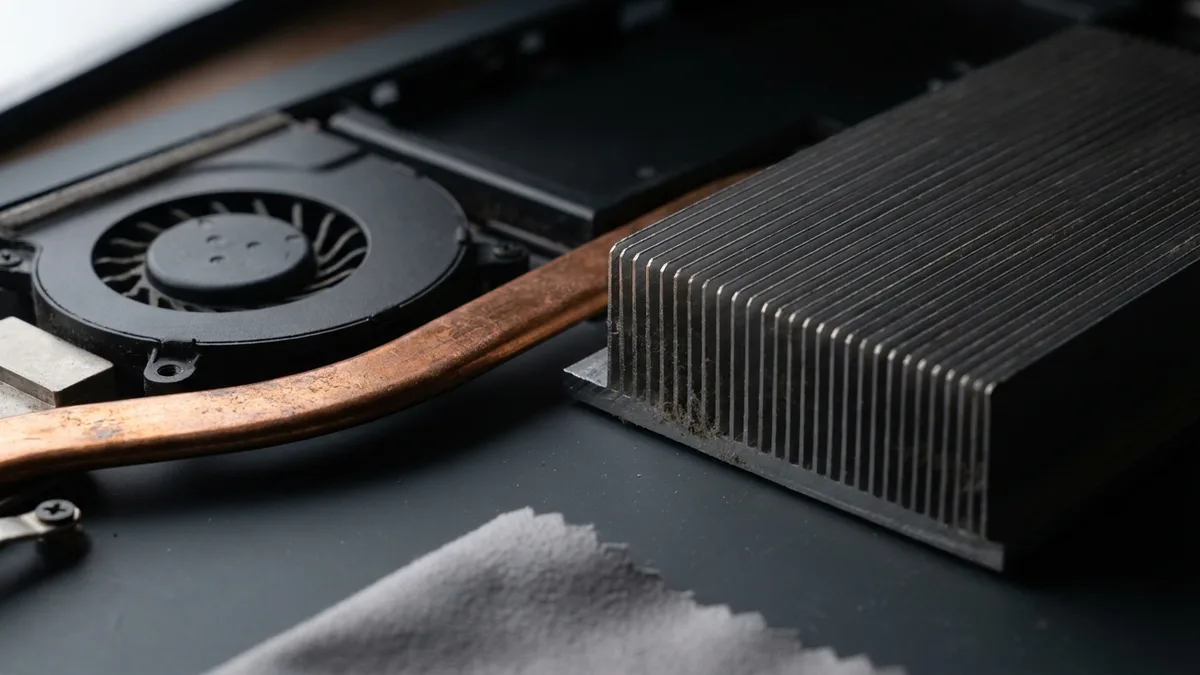
One frustration with many antivirus products is the performance drag caused by constant pop-ups and resource-intensive background tasks. Windows Defender shines in its seamless integration within Windows—it's part of your system, not additional software you must manage separately.
- It updates silently through Windows Update, no extra steps needed.
- Requires minimal CPU and memory, freeing resources for important tasks.
- No intrusive ads or prompts to upgrade to a paid tier.
Why it works:
Since Defender is designed by Microsoft specifically for Windows, it benefits from optimal system integration, hardware-level security isolation, and smooth interaction with your OS.
Top Scores from Independent Security Experts
If you're skeptical about relying solely on Windows Defender, third-party security tests answer the question with published numbers rather than adjectives. In AV-TEST's August 2026 home-user round, Microsoft Defender scored 6 out of 6 for protection, 6 out of 6 for usability and 5.5 out of 6 for performance — 17.5 of a possible 18, which is AV-TEST's "TOP PRODUCT" rating. AV-Comparatives runs its own separate programme. ⛔ Neither lab publishes a single "accuracy percentage", so treat any page quoting one as a page that did not open the source.
Here's how you can verify its protection status:
- Open Windows Security from the taskbar.
- Select Virus & threat protection.
- Check the status report showing your device's security health.
Why it works:
Microsoft heavily invests in cybersecurity research, allowing Defender to evolve rapidly and stay ahead of threats using real-world data from millions of Windows devices globally.

Protect Your Wallet Alongside Your PC
One of Defender’s most appealing features is its zero-cost lifetime protection. Paid suites are annual subscriptions that renew; Defender is not, and never asks for a card. It’s especially valuable for standard home users who:
- Browse trusted websites.
- Download from reputable sources.
- Use built-in browser protections like Microsoft Edge's SmartScreen.
Additionally, Defender includes features usually found only in paid solutions:
- Ransomware protection (Controlled Folder Access) — but it ships switched off. Microsoft's documentation is blunt: "CFA is turned off by default." Turning it on is the single highest-value two-minute job on this page.
- Built-in firewall and network protection.
- Parental control settings via Microsoft Family Safety.
- Cloud-delivered threat detection.
Turning on ransomware protection (Windows 10 and Windows 11, Home included) — these are Microsoft's own menu names, in order:
- Open Windows Security and go to Virus & threat protection.
- Under Virus & threat protection settings, select Manage settings.
- In the Controlled folder access section, select Manage controlled folder access.
- On the Ransomware protection pane, switch Controlled folder access to On, then select Yes at the prompt.
It protects your Documents, Pictures, Music, Videos and Favourites folders, and the disk's boot record. If a program you trust is later blocked, you can allow it from the same pane — the trade is a rare prompt against files you cannot get back.
Why it works:
Microsoft’s business model doesn't rely on selling antivirus subscriptions, allowing them to provide robust security as a built-in feature, saving you money without compromising safety.
The One Gap Windows Defender Cannot Close
Everything above is true of the antivirus. None of it is true of the operating system underneath it — and on one very common Singapore PC, that difference decides the answer. Microsoft ended support for Windows 10 on 14 October 2025. Its lifecycle notice says it in one sentence: these editions "will no longer receive security updates after October 14, 2025."
Defender itself keeps running. Microsoft has said it "will continue to provide Security Intelligence Updates for Microsoft Defender Antivirus on Windows 10 through October 2028", so the scanner still recognises new malware. What a scanner cannot do is patch a hole in Windows itself. Microsoft puts both halves in the same breath: those machines "will continue to function", but "they will no longer receive regular security updates, making them more vulnerable to cyber threats, such as malware and viruses."
So the honest version of this page's answer: on Windows 11, Defender is enough for most people. On Windows 10, no antivirus closes that gap — free or paid — because the gap is not in the antivirus. If your PC can take Windows 11, upgrading it is worth more than any security product you could buy. If it cannot, that is a hardware conversation, not a software one.
There are also three things no antivirus stops, whichever one you run:
- A password you typed in yourself. If a convincing fake login page asks for it and you give it, nothing was infected and nothing gets flagged.
- Files ransomware has already encrypted. Detection stops the next attack; it cannot recover a file that is already scrambled — and no antivirus can. That is what a backup is for.
- It is not a backup. A scanner protects the copy on your machine; only a second copy protects the file. ESC's guide to whether you need antivirus at all goes through this in full.
When to stop and bring it in
Stop scanning and get it looked at if the same detection comes back after you remove it, if the machine still behaves strangely after a clean scan, or if your files have been renamed or you cannot open them. Those are the three cases where carrying on makes things worse: repeated scans and repair tools write to a drive whose contents you may still need. And if you are on Windows 10, the useful next step is not another scan — it is finding out whether the PC can run Windows 11. Bring it to Esmond Service Centre at Alexandra or Sin Ming and we will tell you which of the two you are looking at before you spend anything: diagnosis is free, no fix no fee. See Windows OS repair in Singapore.
When Should You Consider a Windows Defender Alternative?
While Windows Defender meets most people's security needs effectively, some users might benefit from additional features found in specialized third-party suites, including:
- Advanced users: If you frequently download unknown apps or visit high-risk websites, premium suites with sandbox environments could offer extra peace of mind.
- Businesses: Companies requiring advanced centralized device management and compliance reports might choose enterprise-level antivirus products.
- Gaming enthusiasts: Gamers seeking specialized gaming modes or custom firewalls may consider third-party tools.
One thing to settle before you install any of them: Windows does not run two real-time scanners at once. Install a third-party antivirus and Microsoft Defender Antivirus steps aside. Microsoft's documentation is specific that keeping Defender running in passive mode — still scanning, still reporting — requires the device to be onboarded to Microsoft Defender for Endpoint, which is a business product an ordinary home PC does not have. So on a home machine the third-party product becomes the only real-time scanner you have. That is a fair trade if it is genuinely better for how you use the computer. It is a bad one if you installed it as well as Defender expecting two layers, because you now have one.
However, for most everyday users—those browsing websites, shopping online, emailing, and doing regular file downloads—Windows Defender remains the smart, free, and reliable choice.

Windows Defender in Summary — and Who Should Look Further
In today's cybersecurity landscape, users demand reliable protection that doesn't sacrifice speed, simplicity, or savings. Windows Defender meets all three criteria exceptionally well:
- Offers comprehensive, always-on real-time threat protection.
- Efficiently runs in the background without noticeable system slowdowns.
- Scores top rankings consistently in independent security tests.
- Completely free, eliminating the recurring costs of antivirus subscriptions.
- Enough on its own for most people on Windows 11 — and on Windows 10, the operating system is the gap, not the antivirus.
By choosing Windows Defender, you ensure your PC remains protected against evolving threats without unnecessary expenses or complications. It might not have the flashy extras of some paid antivirus suites, but for core protection that truly matters—keeping your system malware-free, secure, and efficient—Defender excels.
Still Not Sure Your PC Is Actually Protected?
Follow our Facebook page, LinkedIn profile or Instagram account for more expert insights and practical tips on cutting-edge technology. If a scan keeps finding the same thing, or you are on Windows 10 and want to know where you actually stand, bring the machine to Esmond Service Centre—Singapore’s trusted tech partner. We’re committed to keeping your technology safe, secure, and performing at its best.

Esmond Service Centre's experienced technicians can diagnose and fix it fast — free diagnostics, repairs from $65.